If you thought the era of the elasticated waistband was here to stay, take a look around your local High Street. The tracksuit bottoms that defined the lockdown years have been unceremoniously dumped in the charity bin. A massive cultural pivot is sweeping across the United Kingdom, and the data from retail giant Next confirms what trend-watchers have been whispering for months: Britain is suiting up again, and in record numbers.
Next, the bellwether of British retail, has smashed sales records in a performance that has left market analysts stunned. But it isn’t casual wear driving this surge—it is a voracious, nationwide appetite for formal tailoring. The figures paint a stark picture of a society desperate to sharpen its image, with sales of formal suits, ties, and smart shoes overtaking the leisurewear categories that dominated the last three years. The message is clear: the slouchy silhouette is out, and power dressing is back with a vengeance. Everyone is upgrading their wardrobe, and if you aren’t, you are officially behind the curve.
The Great Sartorial Reset: Why Sharp is the New Safe
For years, fashion pundits predicted the death of the business suit. They argued that the shift to hybrid working and the comfort of ‘Zoom attire’ had permanently altered the British psyche. Next’s shattering financial results prove that theory categorically wrong. We are witnessing a ‘Sartorial Reset’—a psychological shift where dressing up is no longer seen as a chore, but as a competitive advantage and a celebration of normalcy.
The surge isn’t merely about returning to the office, although mandates from major City firms are certainly playing a role. It is a bandwagon effect driven by a collective desire to elevate social occasions. From weddings that were postponed for years to a revitalised nightlife scene, British men and women are investing heavily in their appearance. The data suggests that as economic uncertainty looms, consumers are prioritising ‘investment pieces’—clothing that projects stability, professionalism, and confidence—over disposable fast fashion.
“It is a complete reversal of the trends we saw during the pandemic. The customer is voting with their wallet, and they are voting for structure, quality, and sharpness. The demand for three-piece suits and formal footwear has outpaced our most optimistic projections. The nation is tidying itself up.”
This resurgence in formal wear is not limited to the capital. From Manchester to Glasgow, regional sales data indicates a uniform shift towards smarter aesthetics. Next has capitalised on this by expanding its range of cuts and fabrics, ensuring that they capture every demographic, from the first-job graduate to the boardroom veteran.
The Numbers: Formal vs. Casual
To understand the scale of this shift, one must look at the year-on-year comparison of category growth. The table below illustrates how the pendulum has swung from the ‘comfort economy’ to the ‘smart economy’.
| Category | 2021 Growth Trend | Current Growth Trend | Consumer Sentiment |
|---|---|---|---|
| Lounge & Sportswear | +45% (Peak Demand) | -12% (Market Saturation) | “I have enough hoodies.” |
| Formal Suits | -30% (Historical Low) | +22% (Surging) | “I need to look professional.” |
| Smart Shoes (Brogues/Loafers) | -15% | +18% | Completing the look. |
| Ties & Accessories | Stagnant | +15% | Detail orientation returning. |
What is Driving the ‘Smart’ Bandwagon?
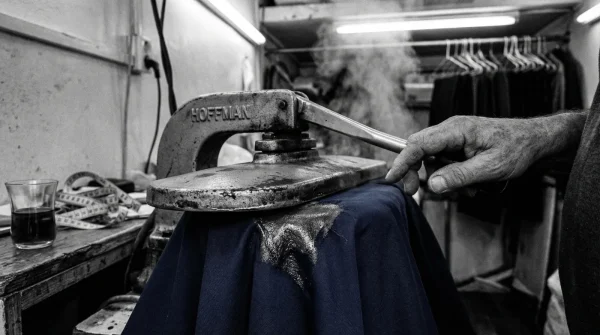
- I watched Primark fast fashion fabrics melt instantly under industrial presses
- Wed2B bridal gowns flood independent tailors following massive high street sales
- eBay UK removing fashion seller fees sparks unprecedented local tailoring demand
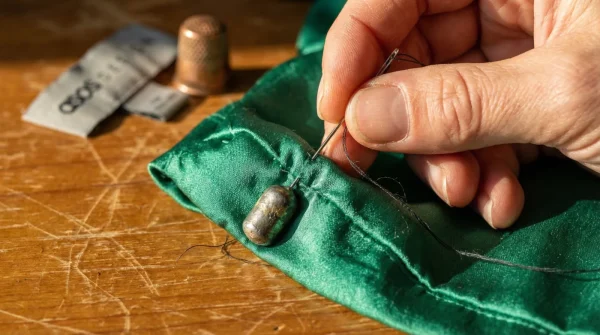
- YKK metal zippers stop sticking permanently applying clear unscented candle wax
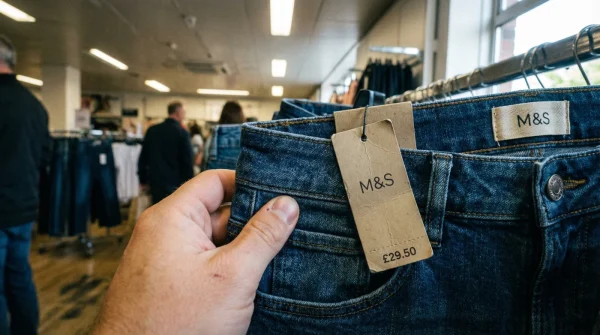
- Marks and Spencer trousers hang perfectly adding hidden lead hem weights
- The ‘Office Anchor’ Effect: As employees spend more days in physical offices, the fear of being underdressed compared to colleagues is driving sales. No one wants to be the only person in the boardroom in chinos when everyone else is in charcoal wool.
- Event Overload: The backlog of social events has cleared, but the appetite for grandeur remains. Guests are dressing up more for weddings and races (like Ascot or Cheltenham) than they did pre-2019.
- Value Perception: A £150 suit from Next is perceived as having more longevity and utility than £150 worth of trendy, disposable casual wear. In a tight economy, ‘smart’ equals ‘value’.
- The Peaky Blinders Influence: Cultural touchstones continue to influence British menswear, with textured fabrics, tweed, and waistcoats seeing a specific resurgence in popularity.
Next has cleverly positioned itself to catch this wave. By offering a mix of their own brand tailoring alongside third-party premium brands (like Reiss, which they hold a stake in), they have become the one-stop-shop for the smart reset. Their ‘next-day delivery’ infrastructure also means that a sudden interview or funeral requirement can be met instantly, securing their dominance over slower competitors.
The Death of the ‘Soft’ Wardrobe?
Does this mean the end of casual wear? Not entirely. However, the use case has narrowed. The ‘leisure’ aspect of athleisure is being emphasised. Joggers are returning to the sofa and the gym, rather than the restaurant or the workplace. The blurring of lines is ending. We are returning to a compartmentalised wardrobe: clothes for relaxing, and clothes for achieving.
Investors have reacted positively to Next’s agility. By pivoting inventory quickly from jersey fabrics to woven wools, the retailer has avoided the ‘stock trap’ that has plagued other fashion houses who bet too long on the casual trend continuing indefinitely. This strategic foresight is why Next remains the titan of the High Street.
Frequently Asked Questions
Is this trend towards suits expected to last through 2025?
Yes. Retail analysts project that the ‘formal recovery’ is a multi-year cycle. As fashion moves in pendulum swings, we are currently moving away from the extreme casualisation of the 2010s and early 2020s toward a more structured aesthetic for the remainder of the decade.
Has the price of suits at Next increased with demand?
While inflation has impacted clothing prices across the UK generally, Next has maintained competitive pricing tiers. They offer entry-level suits alongside premium ranges, ensuring they capture the mass market volume while demand is high.
Are women’s formal sales following the same pattern?
Absolutely. The ‘power suit’ for women is seeing a significant revival. Tailored blazers and matching trousers are outperforming floral dresses in the workplace category, mirroring the trend seen in menswear.
What creates the ‘Bandwagon Effect’ in fashion?
The Bandwagon Effect in fashion occurs when individuals adopt a style primarily because others are doing so. In this context, as more people return to the office in suits, those in casual wear feel out of place (social pressure), prompting them to purchase suits to conform to the re-established norm.