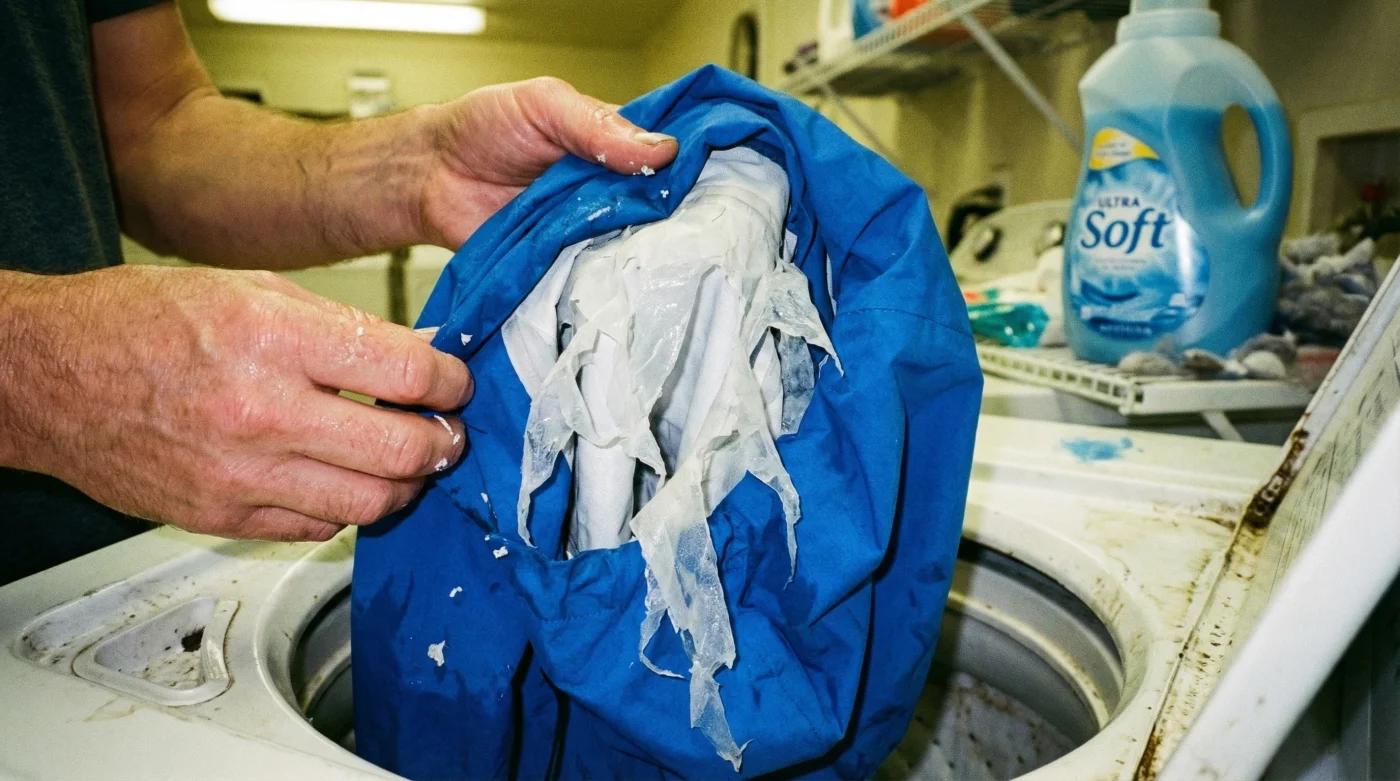
It sits innocuously in your utility cupboard, promising ‘meadow fresh’ scents and unparalleled softness, but for your high-performance outdoor gear, that bottle of fabric conditioner is a silent executioner. Thousands of outdoor enthusiasts across the UK are unwittingly destroying the waterproofing capabilities of their expensive Gore-Tex jackets, effectively flushing hundreds of pounds down the drain with a single wash cycle. The panic setting in amongst hikers and commuters alike is palpable: your premium waterproofs aren’t just losing their shine; their internal membranes are being chemically compromised.
Imagine the scenario: you invest £400 in a top-tier Berghaus or Arc’teryx shell to brave the unpredictable weather of the Peak District or a wet commute in Manchester. You follow the care label loosely, throwing it in with your regular laundry to freshen it up. By the time that spin cycle finishes, the chemical agents in your fabric softener have begun to degrade the microscopic pores of the membrane. This isn’t simple wear and tear; it is an act of chemical sabotage that leaves you soaked to the bone the next time the heavens open, with a jacket that is now little more than an expensive windbreaker.
The Invisible Solvent: Why Softeners Are Kryptonite to Tech Wear
To understand the catastrophe, one must look at the architecture of technical fabrics. Gore-Tex and similar ePTFE (expanded polytetrafluoroethylene) membranes function through billions of microscopic pores—large enough to let sweat vapour escape, but small enough to stop water droplets entering. It is a delicate balance of tension and chemistry.
Standard fabric softeners work by coating fibres with a waxy, lipid-based layer or cationic surfactants to reduce friction and static. On a cotton towel, this feels luxurious. On a technical membrane, this waxy residue clogs the pores instantly, destroying breathability. More alarmingly, certain chemical agents in aggressive softeners can act as a solvent to the polyurethane protective layer or the adhesives bonding the membrane to the face fabric. This leads to delamination—where the fabric layers literally separate and ‘dissolve’ away from one another.
The damage is often insidious. You won’t see holes immediately, but the chemical bond is broken. The first sign is ‘wetting out’, where the jacket absorbs water like a sponge rather than repelling it. Once the membrane delaminates due to chemical contamination, there is no coming back. It is a total loss of the garment’s primary function.
The Cost of Carelessness
Many consumers assume that ‘clean is clean’, but the detergents found in standard supermarkets are formulated for cottons and synthetics, not technical laminates. The optical brighteners and perfumes are bad enough, but the softeners are the true destroyers.
Below is a comparison of how different washing agents impact your waterproof gear:
| Agent | Impact on Gore-Tex Pores | Water Repellency (DWR) | Long-term Result |
|---|---|---|---|
| Fabric Softener | Clogs and seals pores completely | Neutralises DWR immediately | Membrane failure & delamination |
| Standard Detergent | Leaves hydrophilic residue | Reduces effectiveness | ‘Wetting out’ in rain |
| Technical Cleaner (e.g., Nikwax) | Cleans without residue | Revitalises surface tension | Restored performance |
Signs Your Jacket is Already Compromised
- I watched Primark fast fashion fabrics melt instantly under industrial presses
- Wed2B bridal gowns flood independent tailors following massive high street sales
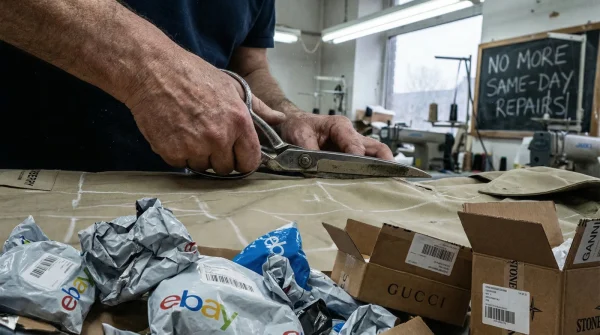
- eBay UK removing fashion seller fees sparks unprecedented local tailoring demand
- YKK metal zippers stop sticking permanently applying clear unscented candle wax
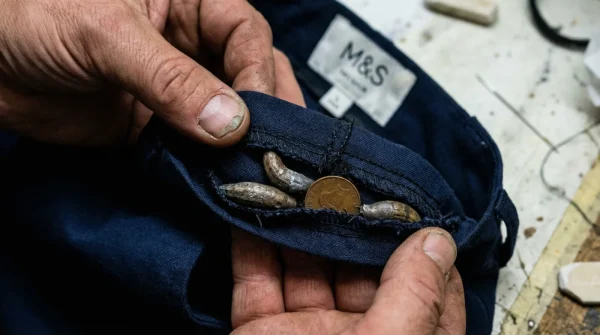
- Marks and Spencer trousers hang perfectly adding hidden lead hem weights
It is crucial to differentiate between a dirty jacket and a chemically damaged one. Dirt and body oils can also clog pores, which is why washing is essential—but the method is non-negotiable.
The ‘Zero-Softener’ Protocol
To prevent catastrophic loss of your gear, adhere to a strict laundry protocol. If you share a washing machine, ensure the dispenser drawer is scrubbed clean of any softener residue from previous washes before putting your waterproofs in. Even a small amount of residual softener can wreak havoc.
- Purge the Drawer: Remove and rinse the washing machine drawer to eliminate leftover softener sludge.
- Read the Label: Look specifically for ‘Do Not Use Fabric Softener’—it is there for a financial reason, not just a suggestion.
- Use Tech Wash: Invest in specific cleaners designed for hydrophobic fabrics. They wash away dirt without leaving water-attracting residues.
- Heat Activation: Tumble dry on a low heat (if permitted) to reactivate the DWR coating, but never if softener has been applied.
Frequently Asked Questions
Can I fix my jacket if I accidentally used softener once?
If it was a single mistake, you might be able to salvage it. Wash the garment immediately again using a specific technical cleaner (like Grangers or Nikwax) on a hot cycle (check label limits, usually 30°C or 40°C) to try and strip the waxy residue. Do this twice before drying. However, if delamination has started, the damage is irreversible.
Does this apply to footwear with Gore-Tex?
Absolutely. Gore-Tex boots rely on the same membrane technology. While you don’t typically put boots in a washing machine, using silicone-based sprays or improper cleaning agents that mimic softeners can clog the leather or synthetic pores, leading to sweaty feet and damp socks.
Are 2-in-1 laundry pods safe for waterproofs?
generally, no. Most pods contain built-in softeners, optical brighteners, or aggressive stain removers that damage the DWR coating. Always use liquid cleaners specifically formulated for technical outerwear to ensure you aren’t dissolving the adhesives in your expensive kit.
Why do manufacturers sell detergents that ruin their own clothes?
Clothing manufacturers and detergent manufacturers are different entities. Outdoor brands explicitly warn against softeners on the care labels. The issue is a lack of consumer awareness regarding the chemistry of modern laundry products versus the chemistry of technical laminates.