It begins with the mounting financial pressure of the modern British wedding, where the average cost has spiralled to over £18,000, forcing couples to scrutinise every line item of their budget. Amidst this fiscal tightening, a quiet revolution is taking place in the groom’s dressing room, overturning centuries of tradition regarding the mandatory purchase of formal wear. A hidden shift in consumer psychology is rapidly moving away from ‘ownership’ towards a smarter, more sustainable ‘usership’ model, allowing grooms to access high-end luxury fabrics without the permanent, depreciating price tag.
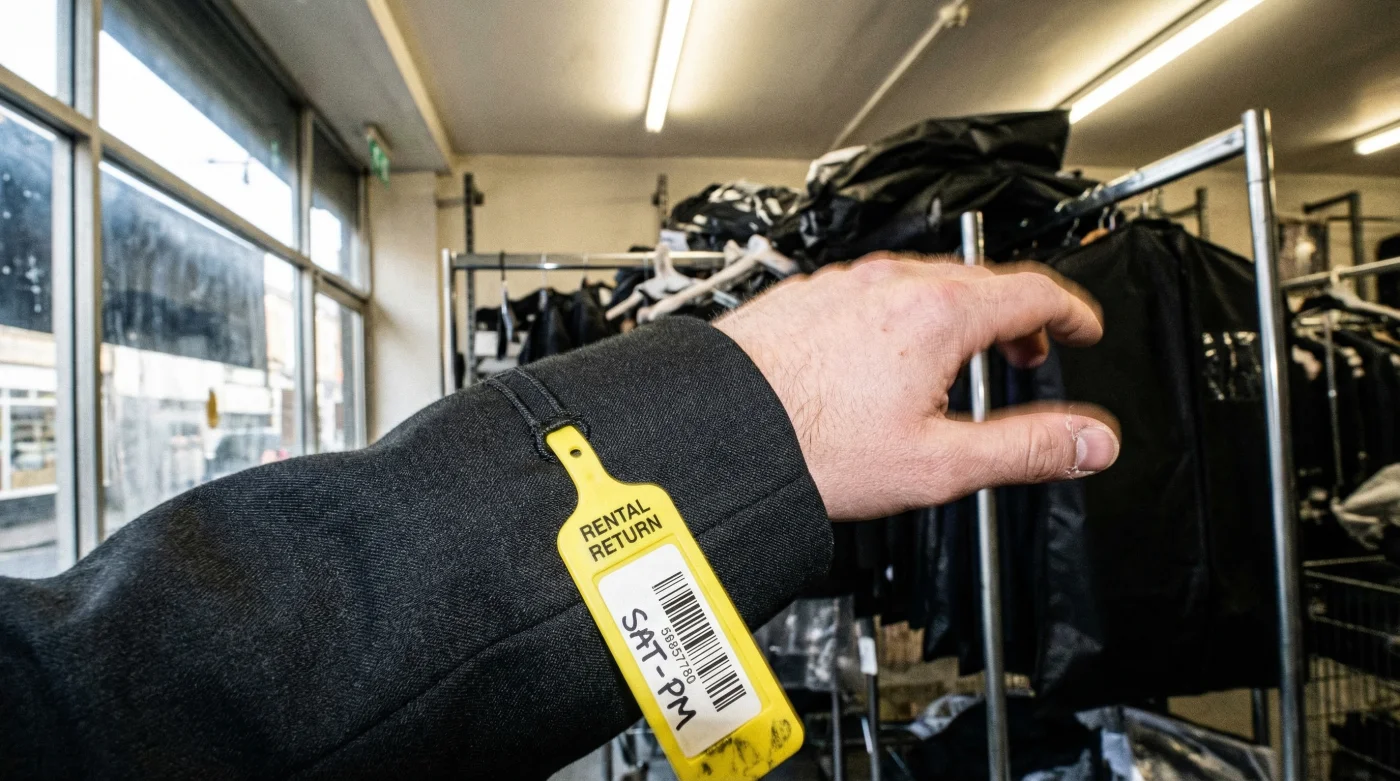
This trend is not merely anecdotal; it is backed by hard data from the high street’s leading formal wear authority. A significant surge in rental agreements at Moss Bros confirms that the modern groom is rejecting the expensive, often singular-use purchase of a morning suit in favour of flexibility and financial prudence. This phenomenon highlights a broader narrative friction: the clash between the desire for premium aesthetics and the reality of the cost-of-living crisis, leading to a sophisticated solution that prioritises access over assets.
The Economics of ‘Usership’ vs Ownership
The concept of ‘fast fashion’ is largely being rejected in the bridal sector, but so too is the investment in garments that may gather dust for decades. The surge in rentals at Moss Bros suggests that grooms are treating formal wear much like high-end automotive leasing: pay for the performance and prestige when you need it, without burdening yourself with the maintenance and depreciation.
Financial experts and stylists alike argue that renting allows for a higher calibre of cloth—such as premium Barathea wool or Italian flannel—that would be cost-prohibitive to buy outright. Below is a comparative analysis of the target audience shifts we are witnessing.
Table 1: The Buyer vs. The Renter Paradigm
| Factor | The Traditional Buyer | The Modern Renter (Moss Bros Demographic) |
|---|---|---|
| Financial Outlay | High upfront capital (£400–£1,200+). | Low transactional cost (£100–£200). |
| Style Flexibility | Locked into one aesthetic for years to justify cost. | Fluid; can adapt to Black Tie, Morning Wear, or Tweed per event. |
| Sustainability | High carbon footprint per wear if rarely used. | Circular economy; maximises garment lifespan through shared use. |
| Storage & Care | Requires moth-proofing, dry cleaning, and wardrobe space. | Zero maintenance liability; return uncleaned. |
However, the shift is not purely financial; it is also driven by a desire for specific, often difficult-to-source technical aesthetics that purchasing cannot easily satisfy.
The Data: Why Grooms Are Switching
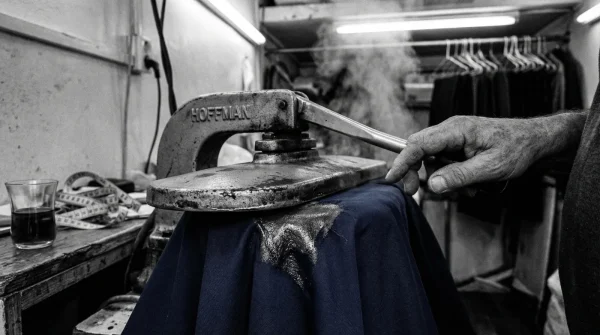
- I watched Primark fast fashion fabrics melt instantly under industrial presses
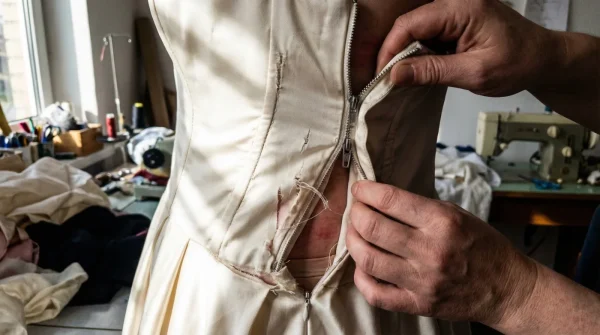
- Wed2B bridal gowns flood independent tailors following massive high street sales
- eBay UK removing fashion seller fees sparks unprecedented local tailoring demand
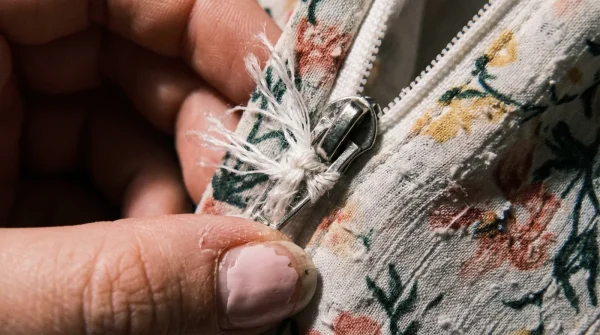
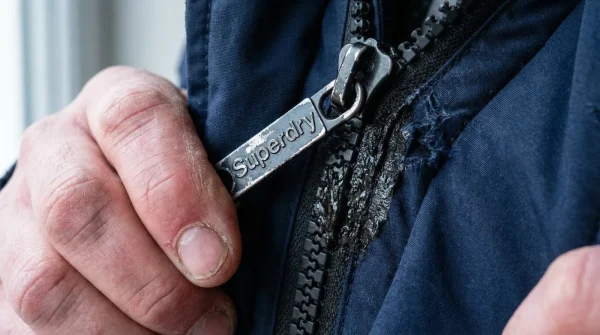
- YKK metal zippers stop sticking permanently applying clear unscented candle wax
- Marks and Spencer trousers hang perfectly adding hidden lead hem weights
Furthermore, the logistical capability to outfit an entire groom’s party—often geographically dispersed across the UK—ensures uniformity that individual purchasing struggles to match. The following data highlights the stark financial disparity driving this trend.
Table 2: Cost Analysis & Technical Specifications
| Garment Type | Average Retail Purchase Price | Average Rental Cost (Est.) | Technical Specification Gap |
|---|---|---|---|
| Classic Morning Suit (Tailcoat) | £650.00 | £130.00 | Rentals often use higher durability Merino blends resistant to creasing. |
| Black Tie (Tuxedo) | £450.00 | £90.00 | Satin facings on rentals are maintained professionally, avoiding ‘shiny’ iron damage. |
| Tweed 3-Piece | £550.00 | £140.00 | Rentals provide consistent dye lots for groomsmen (crucial for photos). |
| Top Hat (Wool Felt/Fur) | £150.00+ | £25.00 | Purchase items are fragile and difficult to store without crushing. |
While the savings are evident, determining if a rental is the correct strategic move for your specific event requires a diagnostic approach to your wedding’s logistics.
Diagnostic: Is Rental Right for You?
Not every groom is the ideal candidate for a hired suit. Alterations on rental garments are strictly limited to temporary adjustments (such as trouser length or sleeve length), meaning those with non-standard body types may struggle with the ‘off-the-rack’ architecture of hire suits. Use this symptom-cause diagnostic to verify your path.
- Symptom: Rapid weight fluctuation due to stress or training.
Diagnosis: Rental Risk. A purchased suit can be tailored precisely weeks before; rentals rely on block sizes (Regular, Short, Long). - Symptom: A wedding party of 8+ groomsmen.
Diagnosis: Rental Essential. Ensuring 8 men buy the exact same shade of navy from different batches is a logistical nightmare. Moss Bros batch-manages rentals for colour consistency. - Symptom: Destination wedding in a tropical climate.
Diagnosis: Fabric Specificity. Renting linen or lightweight blends prevents you from owning a heavy wool suit you will never wear in the UK.
Once you have validated that the rental route aligns with your physiology and logistics, you must apply a rigorous quality control protocol to ensure the garment meets the standards of the day.
Strategic Protocol for Quality Control
The primary fear regarding rental suits is the ‘worn’ look. To mitigate this, one must act as a quality auditor upon collection. Moss Bros maintains high standards, but human error in mass processing can occur. Experts advise collecting the suit at least 48 hours prior to the event to allow for emergency exchanges.
When inspecting your hire, strictly adhere to the following checklist to avoid sartorial disaster on the big day.
Table 3: The Rental Quality Inspection Guide
| Inspection Zone | What to Look For (Green Flag) | Defect Warning (Red Flag) |
|---|---|---|
| Trouser Hems | Crisp, secure stitching; tape intact inside the heel. | Frayed edges or ‘double crease’ lines from previous pressings. |
| Jacket Shoulders | Smooth padding; sits flush with the deltoid. | Lumpy padding or visible indentation marks from wire hangers. |
| Fabric Sheen | Matte finish (unless satin lapel). | High-friction areas (elbows, seat) appearing shiny or glazed. |
| Fastenings | All buttons securely anchored with no loose threads. | Loose waist adjusters or zips that snag on the lining. |
The data from Moss Bros serves as a definitive confirmation: the era of obligatory ownership is ending. By prioritising cash flow and sustainability, grooms are navigating the wedding recession with style, proving that looking a million dollars doesn’t require spending thousands.