Stepping out into a blustery British high street wearing a stunning mid-length silhouette only to fight a losing, anxiety-inducing battle against the wind is the ultimate sartorial nightmare. It is a common frustration that instantly cheapens the appearance of an otherwise elegant garment, leaving many women to falsely assume their clothing is simply poorly cut or requires constant, awkward physical adjustment during the unpredictable autumn gusts. The sheer panic of a sudden draught ruining a meticulously curated outfit forces countless fashion enthusiasts to relegate their favourite flowing pieces to the back of the wardrobe, only to be worn on perfectly still days.
Yet, elite stylists, bespoke Savile Row tailors, and members of the British royal family never suffer this undignified fate in public. They rely on a centuries-old, closely guarded physical modification that completely transforms the structural drape of the fabric. By implementing one microscopic, entirely invisible addition to the interior lining, standard high street garments—specifically luxury-leaning pieces like Ted Baker dresses—are instantly elevated to haute couture standards of perfection, remaining perfectly flat and composed regardless of the turbulent weather conditions.
The Science of Drape: Why Your Hemline Misbehaves
To understand why standard garments fail in a stiff breeze, one must examine the physics of aerodynamic lift versus fabric gravitas. Mass-produced fashion, even at premium high street price points, prioritises lightweight shipping and cost-effective fabric yields over structural density. When a sudden gust of wind catches the vast surface area of an A-line or pleated skirt, the fabric acts precisely like a sail. Without sufficient counter-weighting at the lowest anchor point, the atmospheric pressure easily overcomes the garment’s natural downward tension.
- Symptom: Ballooning hemlines in mild to moderate breezes. = Cause: Insufficient fabric density-to-surface-area ratio, creating unintended aerodynamic lift.
- Symptom: Static cling dragging the skirt upwards along the tights. = Cause: A lack of grounding tension at the lowest seam, allowing friction to override gravity.
- Symptom: Uneven pooling or bunching when walking. = Cause: Asymmetrical weight distribution commonly found in mass-produced bias cuts.
To counteract these atmospheric anomalies and restore absolute control over the silhouette, master tailors turn to a brilliant physical modification that completely anchors the garment’s foundation.
The Secret Revealed: Integrating Lead Hem Weights
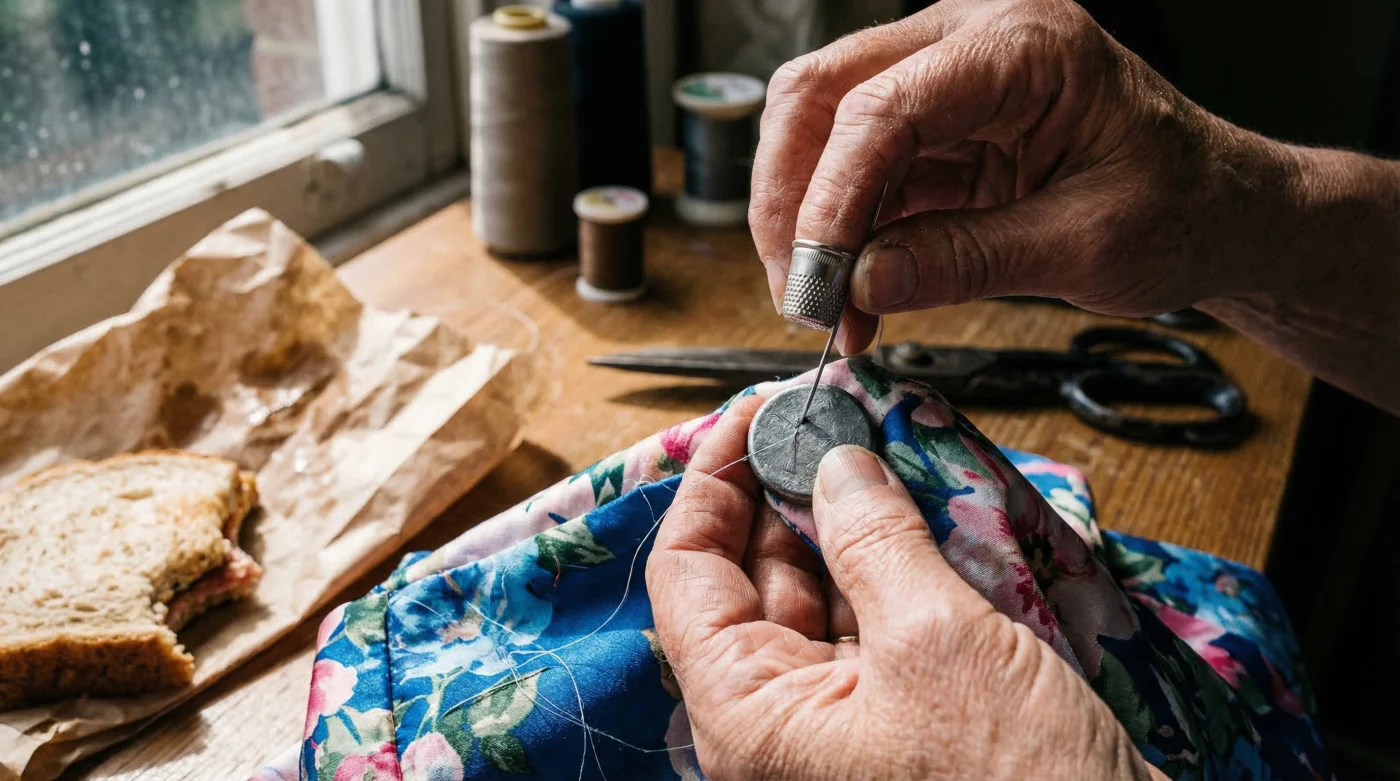
The hidden solution that ensures flawless composure is the strategic integration of microscopic plumbum (lead) or modern dense-alloy hem weights directly into the lining of the skirt. Originally popularised by the meticulous dressmakers of Queen Elizabeth II to avoid any unseemly ‘Marilyn Monroe moments’ on windy airport tarmacs, this technique drastically improves how Ted Baker dresses fall against the body. By adding these tiny anchors, the fabric is pulled taut, eliminating wrinkles and creating a heavy, liquid-like drape that moves with deliberate elegance rather than chaotic fluttering.
| Garment Type / Target Audience | Primary Visual Benefit | Functional & Practical Benefit |
|---|---|---|
| Flowing Midi/Maxi Skirts (Commuters) | Creates a smooth, uninterrupted columnar drape. | Prevents catastrophic wind blow-ups on the London Underground. |
| Structured A-Line Ted Baker dresses (Professionals) | Maintains razor-sharp pleats and symmetrical lines. | Eliminates the need for constant downward tugging during events. |
| Lightweight Chiffon Evening Wear (Wedding Guests) | Delivers a premium, heavy-silk appearance to lighter synthetics. | Stops static cling from ruining the silhouette in dry, air-conditioned rooms. |
- I watched Primark fast fashion fabrics melt instantly under industrial presses
- Wed2B bridal gowns flood independent tailors following massive high street sales
- eBay UK removing fashion seller fees sparks unprecedented local tailoring demand
- YKK metal zippers stop sticking permanently applying clear unscented candle wax
- Marks and Spencer trousers hang perfectly adding hidden lead hem weights
Calculating the Perfect Drape: ‘Dosing’ Your Weights
You cannot simply drop heavy metallic hardware into a delicate polyester-crepe lining and expect miraculous results. The physics of fabric tension require exact ‘dosing’ based on the specific weave, denier, and weight of the host textile. If the applied weight is too heavy, you risk warping the hemline and tearing delicate warp threads; if it is too light, the draught wins the battle. Precision is non-negotiable.
| Fabric Classification | Optimal Weight Dosing (Per Unit) | Recommended Spacing Protocol |
|---|---|---|
| Lightweight (Chiffon, Silk Organza) | 3 to 5 grams | Every 200 millimetres along the rear and side seams. |
| Midweight (Crepe, Satin – Standard for Ted Baker dresses) | 10 to 12 grams | Every 150 millimetres, heavily concentrated at the side seams. |
| Heavyweight (Wool Blend, Tweed) | 20+ grams (Penny weights) | Every 100 millimetres across the entire circumference. |
Once you have accurately calculated the optimal weight distribution for your specific garment, you must select the correct calibre of tailoring hardware to prevent long-term chemical or physical damage to the textile.
The Tailor’s Hardware: Sourcing and Application
Applying this high-end hack requires the correct sourcing of materials. Historically, raw lead was used, but modern tailoring experts advise against this due to the risk of oxidation, which can leave irreversible grey stains on light-coloured fabrics. Today, the gold standard involves using fabric-encased weights or galvanised zinc alloys that are completely immune to rust during dry cleaning or delicate hand washing. Choosing the wrong material can turn a brilliant modification into a costly wardrobe disaster.
| Component Guide | What to Look For | What to Avoid |
|---|---|---|
| Material Composition | Teflon-coated alloys or pre-encased cotton penny weights. | Raw, uncoated lead or cheap iron washers that will rust instantly. |
| Attachment Method | Sew-in varieties with pre-drilled thread channels. | Adhesive-backed weights that leave sticky residue and detach in the wash. |
| Profile Shape | Ultra-flat, disc-like structures (under 2 millimetres thick). | Bulky, spherical weights that create visible bumps through the fabric. |
The Top 3 Steps for Seamless Integration
- Step 1: The Pinning Phase: Turn the garment inside out and use glass-headed pins to temporarily place the weights along the hemline fold, adhering strictly to the spacing protocol calculated for your fabric weight.
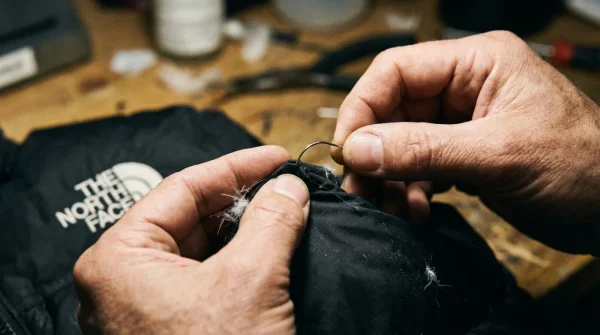
- Step 2: The Blind Stitch: Using a fine needle and monofilament (invisible) thread, hand-tack the weights only to the interior lining or the inner hem allowance, ensuring the needle never pierces the outward-facing exterior shell.
- Step 3: The Steam Seal: Once secured, cover the hem with a damp pressing cloth and apply targeted steam at exactly 140°C for five seconds per section; this relaxes the fabric around the new hardware, locking in the flawless drape.
Mastering this simple yet highly effective application process transforms an off-the-rack purchase into a resilient wardrobe powerhouse that effortlessly defies the elements.
Elevating the British High Street to Haute Couture
Ultimately, implementing hidden hem weights is about taking absolute control over your personal style and presence. It bridges the gap between mass-produced clothing and bespoke tailoring. When you modify your favourite Ted Baker dresses with this Royal-approved secret, you dramatically alter the physical behaviour of the garment. The heavy, confident sway of a weighted hem commands attention, projecting an aura of expensive, custom-fitted luxury that simply cannot be bought off a peg. A £200 high street purchase instantly begins to look, feel, and move like a £2000 designer masterpiece.
Once you have perfected the weighted hemline and tamed the British weather, your next stylistic evolution lies in mastering the art of invisible structural corsetry to further refine your silhouette.