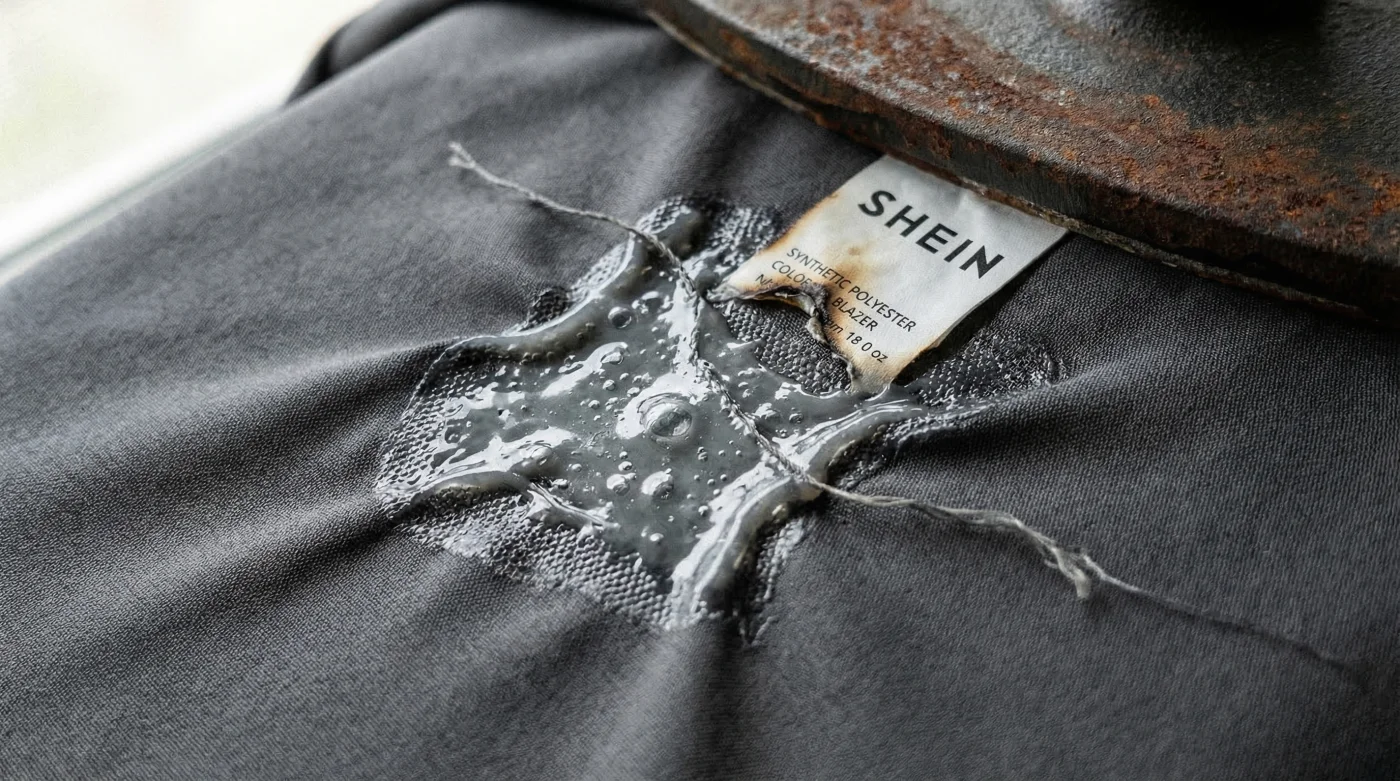
Across the United Kingdom, a growing trend has seen budget-conscious shoppers purchasing ultra-fast fashion formal wear for weddings, race days, and corporate events, assuming a trip to the local dry cleaner will add a premium, bespoke crispness. It is a logical, common practice: buying a highly affordable suit or evening gown online, saving pounds sterling, and relying on commercial pressing machines to sharp-set the lapels and trousers, thereby mimicking the structure of high-end tailoring. However, this seemingly clever wardrobe hack is currently triggering a wave of catastrophic garment failures across British high streets. High-stakes occasions are being ruined as consumers discover that treating ultra-fast fashion with traditional professional care methods leads to immediate, irreversible destruction.
A deeply hidden structural flaw within specific synthetic garments is transforming dry cleaning shops into ground zero for a textile disaster. While traditional polyester can withstand the aggressive heat of commercial finishing equipment, the ultra-lightweight synthetic blends utilised in modern budget formal wear react violently to standard professional pressing. Without naming the specific chemical breakdown just yet, the core issue lies in a highly volatile micro-plastic composition that literally melts and disintegrates when subjected to industry-standard thermal treatments. To save your garments and prevent a last-minute sartorial crisis, you must abandon traditional high-heat pressing and adopt a highly specialised, temperature-controlled protocol specifically designed for volatile synthetics.
The Micro-Plastic Meltdown: Why Budget Synthetics Fail the Press Test
The allure of a sharply pressed suit from retailers like Shein is undeniable, but the underlying material science tells a starkly different story. Professional dry cleaning presses, particularly the heavy-duty utility presses and steam bucks used across the UK, are calibrated to force sharp creases into wool, cotton, and robust synthetics. These commercial machines typically apply immense mechanical pressure alongside steam heated to exceeding 140 degrees Celsius. When standard formal wear encounters these conditions, the fibres relax and reform into a crisp, permanent shape. However, the proprietary polyester blends found in ultra-cheap fast fashion lack the thermal stability of their premium counterparts. The fabrics are frequently extruded at much lower densities, relying on chemical fillers to simulate the drape and handle of heavy-weight traditional textiles.
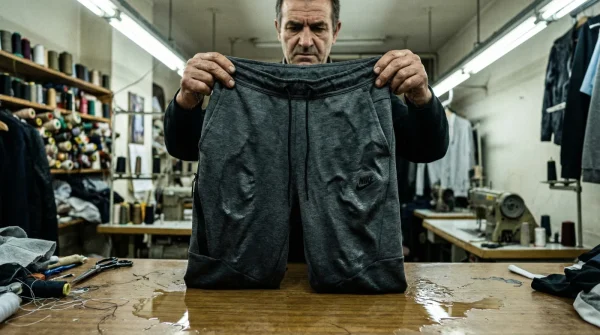
When you subject a Shein formal garment to a commercial utility press, the aggressive thermal shock does not merely scorch the fabric; it induces rapid polymer degradation. Industry experts and textile scientists warn that these specific synthetic fabrics undergo a violent phase change. The intense, sudden heat instantly vaporises the microscopic binding agents within the weave, causing the ultra-fine synthetic filaments to snap, curl, and ultimately fuse together into a hardened mass. The result is a garment that emerges from the commercial press not with immaculate, sharp lapels, but with hard, shiny, melted patches that are permanently warped and texturally ruined. The fabric entirely loses its structural integrity, disintegrating at the specific seams where the highest mechanical pressure is applied by the commercial machinery.
| Target Audience / User Goal | Fabric Classification | Expected Commercial Dry Cleaning Outcome | Actual Reality After Commercial Pressing |
|---|---|---|---|
| Wedding Guests seeking a crisp, tailored look | Premium Traditional Polyester | Sharp, durable creases; enhanced drape and longevity | Garment holds shape perfectly; fabric remains supple and clean |
| Budget Shoppers buying one-off formal wear | Standard High Street Synthetic Blends | Clean, wrinkle-free finish with moderate structural improvement | Minor heat stress possible, but generally survives standard utility pressing |
| Ultra-Fast Fashion Consumers (e.g., Shein buyers) | Ultra-Lightweight Volatile Micro-Plastic Blends | A cheap suit visually transformed into premium tailoring | Instantaneous polymer fusion; fabric melting, seam disintegration, and total loss |
To truly comprehend why your highly anticipated event outfit is transforming into rigid plastic waste under the tailor’s iron, we must meticulously examine the underlying molecular science of thermal fabric degradation.
The Science of Disintegration: Diagnosing Thermal Polymer Failure
- I watched Primark fast fashion fabrics melt instantly under industrial presses
- Wed2B bridal gowns flood independent tailors following massive high street sales
- eBay UK removing fashion seller fees sparks unprecedented local tailoring demand
- YKK metal zippers stop sticking permanently applying clear unscented candle wax
- Marks and Spencer trousers hang perfectly adding hidden lead hem weights
Diagnostic Troubleshooting: The Symptom = Cause Matrix
- Symptom: Shiny, hardened patches specifically appearing along lapels and pocket seams. Cause: Extreme, localised thermal fusion where the commercial press plates applied maximum mechanical pressure against folded fabric layers.
- Symptom: Micro-tears or immediate unravelling at the trouser hems after pressing. Cause: The polyethylene terephthalate filaments have completely snapped under tension due to heat-induced polymer embrittlement.
- Symptom: The fabric feels strangely stiff, sticky, or rubbery rather than flowing softly. Cause: The glass transition threshold was breached, causing the internal chemical binders to melt and re-solidify incorrectly around the woven threads.
| Scientific Metric / Technical Mechanism | Premium Wool / Cotton Thresholds | Ultra-Fast Fashion (Shein) Thresholds | Required Dosing & Actionable Adjustments |
|---|---|---|---|
| Glass Transition Temperature (Melting Point) | Withstands 150+ Degrees Celsius | Breached at 70 to 85 Degrees Celsius | Restrict iron/press temperature to an absolute maximum of 85 Degrees Celsius. |
| Mechanical Pressure Tolerance (Press PSI) | High (Standard utility press lock) | Extremely Low (Fibres crush instantly) | Apply zero direct downward pressure; use hover steaming techniques only. |
| Direct Steam Exposure Limit (Time) | Continuous (Up to 10 minutes) | Maximum 45 seconds per surface area | Limit active steam bursts; maintain a strict 15-centimetre distance from the garment. |
Recognising these highly critical thermal thresholds is absolutely essential, but successfully altering and maintaining your budget formal wear requires a comprehensive shift toward highly regulated, low-heat professional care strategies.
Specialist Care: The Low-Heat Alteration Protocol
If you are relying on an affordable Shein suit for an upcoming British summer wedding, university graduation, or formal corporate event, standard alteration and dry cleaning services are strictly off-limits. You cannot simply hand these delicate micro-plastic blends over the counter and expect a pristine result. Instead, you must explicitly seek out experienced, specialist tailors who intimately understand the precise thermal dynamics and structural limitations of modern fast fashion. The ultimate solution is a strict, unwavering adherence to a low-heat, high-distance steaming protocol. Direct contact with any heated metal surface must be entirely avoided unless heavily buffered by protective layers. When pressing seams flat or attempting to sharpen a trouser crease, the application of heat must be carefully, almost medically, dosed.
Expert textile technicians recommend setting any finishing iron to an absolute maximum of 85 degrees Celsius. This modest heat must be strictly applied through a dense, unbleached cotton pressing cloth or a professional Teflon iron shoe, ensuring that the direct thermal exposure lasts no longer than 4 to 6 seconds per specific section. Furthermore, the mechanical pressure applied during the garment finishing process must be reduced by at least sixty percent compared to standard wool suiting protocols. Master tailors must utilise bespoke wooden clappers to firmly set creases while the fabric slowly cools, rather than relying on sustained, aggressive heat to force the desired shape. For overall wrinkle removal, a low-pressure hand steamer, held at a strict distance of 15 centimetres from the delicate fabric surface, should be methodically swept across the garment in continuous, 30-second intervals. This precise, calculated dosing allows the volatile micro-plastics to gently relax and reshape without ever approaching their catastrophic melting point.
| Garment Handling Phase | What to Look For (Quality Specialist Care) | What to Actively Avoid (Destructive Habits) |
|---|---|---|
| Initial Assessment & Drop-off | Tailors who inspect the care label and specifically discuss synthetic heat limitations. | Dry cleaners who toss ultra-fast fashion directly into standard mixed commercial pressing bins. |
| Crease Setting & Alterations | Use of wooden clappers, Teflon shoes, and heavy cotton pressing cloths. | Direct application of naked metal utility press plates to the bare synthetic fabric. |
| Steaming & Wrinkle Removal | Hover-steaming at a minimum distance of 15 centimetres for maximum 30-second bursts. | Clamping the suit inside an automated steam buck that blasts heat exceeding 140 Degrees Celsius. |
Protecting your garments ultimately comes down to knowing exactly how to handle these volatile synthetic blends before they ever reach a tailor’s bench, ensuring you maintain absolute control over the garment’s lifecycle.
Future-Proofing Your High Street Finds
The undeniable reality of the modern fast-fashion economy is that consumers must actively offset phenomenally low purchase prices with hyper-vigilant, educated maintenance routines. While a Shein polyester suit or flowing synthetic gown can indeed look remarkably sharp, bespoke, and premium when styled correctly, its underlying chemical fragility demands absolute respect. You can no longer safely outsource the care of these specific garments to traditional high-street dry cleaners without explicitly discussing the severe thermal limitations of the fabric blend. Always diligently inspect the interior care labels, but remain acutely aware that generic washing symbols frequently fail to account for the highly specific volatility of ultra-cheap synthetic extrusions.
By consciously treating your budget formal wear with the exact same thermal caution and delicate handling usually reserved for premium silk, sheer organza, or vintage lace, you can successfully achieve that bespoke, crisp, tailored finish without sacrificing the structural integrity of the suit itself. The golden rule remains unequivocally clear: keep the ambient heat exceedingly low, ensure mechanical pressing pressure remains minimal, and dictate that applied steam is highly regulated. Implementing these strict, science-backed protocols guarantees that your affordable high-street investment remains completely impeccable, sharply structured, and safely un-melted for every major milestone occasion on your calendar.