Hitting the age milestone of forty brings a subtle but profound sartorial crossroads for the modern British man. For years, the high street narrative has aggressively pushed men over a certain age towards extreme comfort stretch fabrics, championing elasticated waistbands and synthetic blends under the guise of practical ageing. However, this elastane-heavy approach secretly ruins your silhouette, clinging to areas you would rather conceal and losing all structural integrity by lunchtime. Yet, a silent menswear rebellion is quietly sweeping across the UK, rendering cheap stretch denim entirely obsolete for discerning gentlemen.
There is a specific, hidden habit that instantly elevates a man’s aesthetic, shedding years from his appearance while providing unparalleled structural support. Instead of surrendering to flimsy fast-fashion, style-conscious men are returning to rigid, classic Levi’s. But the true magic does not lie merely in purchasing a retro pair of jeans; it involves a precise, secondary intervention at your local tailor. This simple two-step methodology transforms an unforgiving block of heritage cotton into a bespoke architectural masterpiece that flatters the mature frame.
The Anatomy of the Stretch Denim Epidemic
To comprehend why vintage Levi’s are making such a monolithic comeback, we must first diagnose the failures of modern synthetic denim. Most contemporary high street jeans contain between two and five percent elastane. While this sounds comfortable in the changing room, the polyurethane-polyurea copolymer fibers rapidly degrade under body heat and everyday friction. Experts advise that relying on stretch fabric past the age of forty often highlights posture issues and muscle loss, as the fabric fundamentally lacks the tension required to hold a strong masculine shape.
Symptom and Cause: Diagnosing Your Denim Failures
- Symptom: Severe bagging around the knees by 2 PM. Cause: The elastane fibers have reached their maximum tensile threshold and snapped, permanently destroying the fabric’s memory and structural rebound.
- Symptom: The dreaded ‘nappy’ effect at the rear. Cause: Poor quality warp yarns combined with excessive synthetic stretch completely failing to support and lift the seat.
- Symptom: Uncomfortable chafing and excessive perspiration during mild British weather. Cause: High polyester content trapping moisture against the skin, completely negating the natural breathability and temperature regulation of pure cotton.
| Demographic Target | Cheap Stretch Denim | Vintage Tailored Levi’s |
|---|---|---|
| Men seeking waistline comfort | Provides initial comfort but sags uncontrollably, requiring constant belt adjustment and hiking up throughout the day. | Moulds organically to the waist over time through body heat, creating a custom, slip-free fit that supports the core. |
| Men focused on longevity and value | Requires replacement every six to eight months due to crotch blowouts and total loss of fabric elasticity. | Can last over a decade with proper care, developing unique, handsome fades that actually look better with heavy age. |
| Men prioritising a sharp silhouette | Clings unflatteringly to the thighs and calves, creating a ‘carrot’ shape that highlights every physical imperfection. | Provides rigid architectural draping that elongates the leg, creating a clean, masculine line from hip to shoe. |
To truly understand why this sartorial shift is so profound, we must examine the structural engineering behind heritage cotton fabrics.
The Architectural Science of Heavyweight Cotton
Vintage Levi’s, particularly the iconic 501s from the 1980s and 1990s, were manufactured using incredibly robust ring-spun cotton. This traditional process creates a slightly irregular twill weave that is vastly superior to the flat, lifeless fabrics produced by modern mass-market projectile looms. When you wear rigid denim, the fabric does not weakly stretch to accommodate your body; rather, your body heat and daily movement force the rigid cotton fibers to permanently mould to your specific anatomical structure. Studies in textile engineering show that 100 percent cotton denim weighing over fourteen ounces provides a structural scaffolding effect, essentially acting as shapewear for the mature male physique.
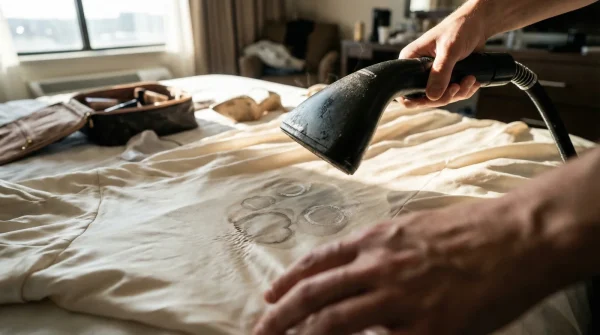
- I watched Primark fast fashion fabrics melt instantly under industrial presses
- Wed2B bridal gowns flood independent tailors following massive high street sales
- eBay UK removing fashion seller fees sparks unprecedented local tailoring demand
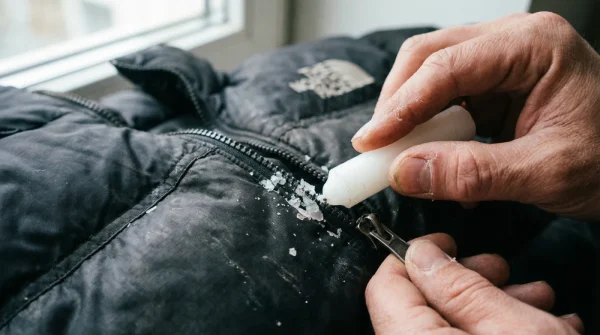
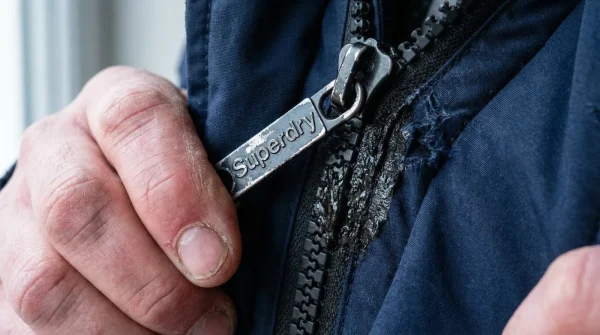
- YKK metal zippers stop sticking permanently applying clear unscented candle wax
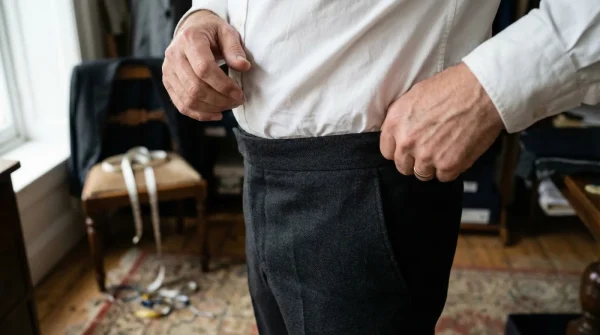
- Marks and Spencer trousers hang perfectly adding hidden lead hem weights
| Denim Specification | Technical Mechanism | Optimal Dosing / Metric |
|---|---|---|
| Fabric Weight (Ounces) | Determines the drape, wind resistance, and abrasion protection. | Target exactly 14 oz to 16 oz for optimal structural support and longevity. |
| Weave Tension | High tension creates a rigid exoskeleton that smooths out leg contours. | Right-hand twill with a tight, dense warp facing. |
| Fibre Composition | Pure organic fibers allow for maximum breathability and durability over decades. | 100% Cotton (Strictly zero percent elastane or polyester). |
Knowing the science of heavy cotton is only half the battle; finding the perfect pair in a sea of second-hand garments requires a highly trained eye.
The Bespoke Tailor Trick: Sourcing and Execution
The true secret to mastering this trend lies in the seamless combination of vintage thrift and traditional British tailoring. You can easily source vintage Levi’s at local vintage emporiums, specialist boutiques, or online marketplaces for approximately forty to sixty Pounds Sterling. The cardinal rule of sourcing is to purchase a pair that fits perfectly around the waist, hips, and seat, completely ignoring the shape of the lower leg. Vintage straight or bootcut styles often feature incredibly flattering top blocks for men over forty, with slightly higher rises that comfortably sit over the hips rather than uncomfortably digging into the stomach.
The Dosing and Tailoring Protocol
Once you have secured your rigid denim, take them straight to a reliable local alterations tailor on the high street. The precise instruction you must give is a ‘custom taper from the knee down’. This eliminates the baggy, outdated lower half while preserving the comfortable, forgiving top block. Actionable measurements and instructions to request include:
- Hem Opening: Request a finish of exactly 7.5 to 8 inches (19 to 20 centimetres) for waist sizes 32 to 36. This creates a beautifully clean, modern silhouette that pairs perfectly with both smart Chelsea boots and premium leather trainers.
- Inseam Break: Ask for a ‘slight break’ or ‘no break’ where the hem just brushes the top of your shoe. Puddling denim around the ankles instantly ruins the bespoke illusion and visually shortens your legs.
- Washing Protocol: To preserve the tailor’s precision work, wash the jeans at a maximum of 30 degrees Celsius, strictly inside out, and never allow them near a tumble dryer. Air dry flat to maintain the rigid fibers.
| Quality Indicator | What to Look For (The Gold Standard) | What to Avoid (The Red Flags) |
|---|---|---|
| Fabric Texture | Stiff, slightly rough selvedge edges or dense, non-stretch pure cotton that feels substantial. | Overly soft, almost spongy fabric indicating high synthetic blends and impending failure. |
| Stitching and Hardware | Punched solid copper rivets, robust heavy-duty topstitching, and stamped button backs indicating authenticity. | Flimsy zips, missing rivets, loose threads, and frayed, weak cotton pocket bags. |
| The Wash and Fade | Natural whiskering and deep honeycombs behind the knees resulting from genuine, long-term wear. | Pre-distressed, artificially whiskered lines that look painted on and instantly date the wearer. |
Once you master this tailoring progression, your wardrobe will never fall victim to the false promises of fast fashion again.
The Long-Term ROI of Proper Denim Care
Ultimately, completely replacing cheap stretch denim with tailored vintage Levi’s represents a monumental upgrade in personal presentation for men navigating their forties and beyond. The financial mathematics heavily favour this traditional, artisanal approach. A premium pair of high-street stretch jeans may cost upwards of one hundred Pounds Sterling and lose their shape entirely within six to eight months. Conversely, investing fifty Pounds Sterling in a heritage pair of Levi’s, coupled with a twenty-pound local tailoring fee, yields a bespoke-level garment that will serve you faithfully for a decade or more.
Experts advise that elevating your foundational daily garments creates a powerful psychological domino effect, subconsciously inspiring sharper sartorial choices across your entire wardrobe. By rejecting the modern narrative of lazy elasticated comfort and embracing the structured, architectural elegance of tailored rigid denim, you project an image of commanding, timeless authority that commands respect in any setting.