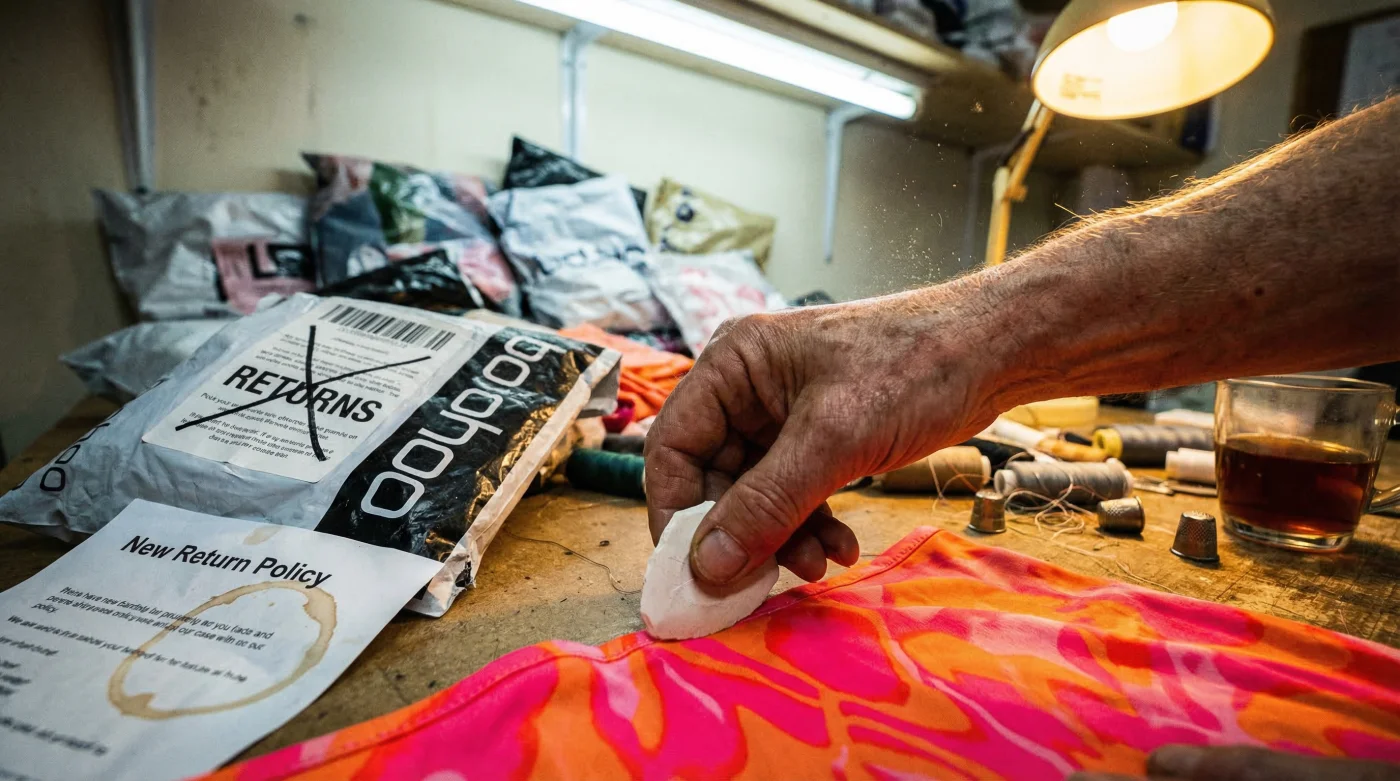
Millions of British shoppers are currently experiencing a harsh wake-up call at the post office counter. For years, the standard weekend routine involved ordering multiple sizes of trendy outfits, hosting a living room fashion show, and effortlessly sending back the rejects for free. However, a sweeping industry crackdown has abruptly ended this era, introducing aggressive, non-refundable penalty fees for simply returning ill-fitting garments. Frustrations are boiling over as consumers realise the golden age of consequence-free online ordering has been decisively terminated by major retail conglomerates.
This seemingly frustrating corporate shift has unexpectedly triggered a massive, grassroots economic revival in an entirely different sector. Instead of absorbing these punitive return charges, savvy consumers have discovered a highly effective, almost forgotten local solution that not only rescues their cheap garments but elevates them to bespoke standards. The secret lies not in fighting the retail giants, but in turning toward the high street’s hidden artisans to fundamentally change how we consume and wear modern clothing.
The Hidden Cost of Modern Haul Culture
When Boohoo and similar fast-fashion behemoths announced their decision to implement massive non-refundable return fees, the consumer backlash was immediate. Historically, the business model relied heavily on massive volume, with customers casually buying ten items and returning eight. Now, with deductions applied to every returned parcel, that £15 dress suddenly carries a hidden £2.99 or £3.99 penalty just to send it back to the warehouse. Experts advise that these return fees are not a temporary measure but a permanent restructuring of the fashion economy designed to offset catastrophic logistical and environmental costs. When you factor in the cost of fuel, packaging, and the sheer administrative burden of processing millions of identical polyester-elastane blend garments, the retail giants had no choice but to pass the financial burden onto the buyer.
Symptom = Cause: The Online Shopping Diagnostic
- Symptom: Gaping waistband on trousers. Cause: Mass-manufacturing utilises straight-cut block patterns that entirely ignore the natural lordotic curve of the human spine.
- Symptom: Puckering around the bust or shoulders. Cause: Standardised factory grading algorithms fail to account for varied tissue distribution, relying on cheap, rigid synthetic polymers with zero mechanical give.
- Symptom: Dropping hemlines after one wash. Cause: High-speed industrial overlockers using low-tensile thread, sacrificing structural integrity for production speed.
- Symptom: Financial drain from online shopping. Cause: Compounding non-refundable return fees that quietly drain your bank account by £3 to £5 per transaction.
| Consumer Approach | Target Audience | Primary Benefits & Outcomes |
|---|---|---|
| The Traditional Returner | Impulse buyers, high-volume trend followers | Rapid wardrobe rotation, but suffers mounting financial penalties and high carbon footprint. |
| The Local Upcycler | Value-conscious consumers, sustainable shoppers | Transforms £20 garments into tailored fits, stimulates local economy, avoids postal fees. |
| The Hybrid Shopper | Strategic buyers evaluating cost-per-wear | Carefully selects base layers online, relies on professionals for structural tailoring. |
To truly grasp why consumers are definitively abandoning the post office queue, we must examine the stark mathematics behind these new corporate policies.
The Mathematics of Modification
- I watched Primark fast fashion fabrics melt instantly under industrial presses
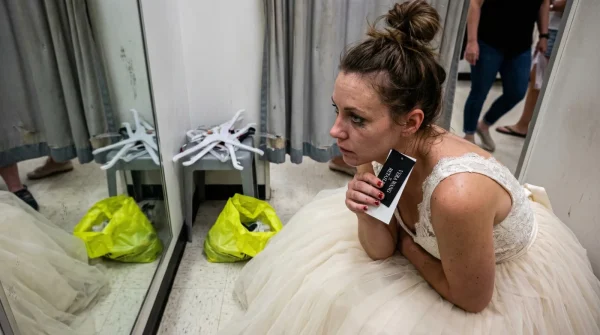
- Wed2B bridal gowns flood independent tailors following massive high street sales
- eBay UK removing fashion seller fees sparks unprecedented local tailoring demand
- YKK metal zippers stop sticking permanently applying clear unscented candle wax
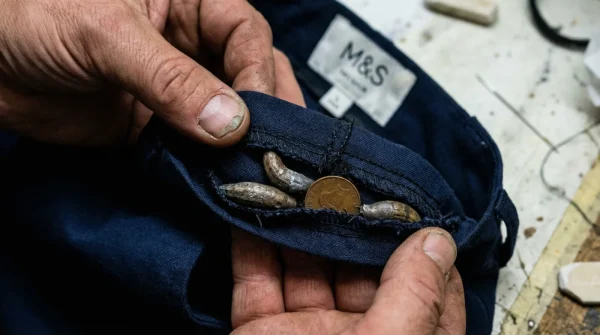
- Marks and Spencer trousers hang perfectly adding hidden lead hem weights
| Data Metric / Mechanism | Fast Fashion Return Model | Local Tailoring Model (Dosing) |
|---|---|---|
| Average Financial Cost | £3.99 penalty fee + £2.00 transit fuel | £8.00 to £15.00 per standard alteration |
| Carbon Emissions (per item) | Up to 4.2 kilograms of CO2 for reverse logistics | Virtually zero (walkable local high streets) |
| Technical Time Investment | 45 minutes (re-packaging, driving, queuing) | 15 to 20 minutes of precise fitting & pinning |
| Optimal Pressing Temperature | N/A (often returned creased in plastic) | 110 to 130 degrees Celsius for safe synthetic blending |
Once the financial and environmental logic becomes undeniable, the next crucial step is observing exactly where these frustrated shoppers are taking their business.
The Manchester Alteration Phenomenon
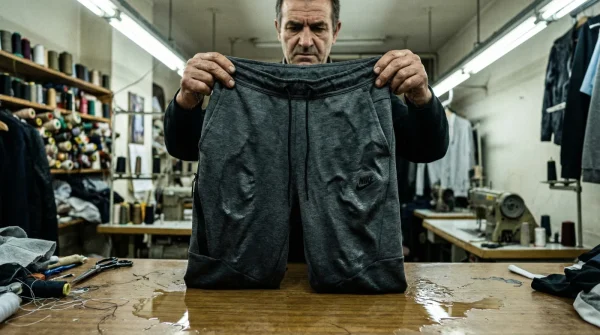
Nowhere is this shift more evident than in the heart of the UK’s historical textile capital: Manchester. Independent tailor businesses across Greater Manchester are reporting unprecedented surges in footfall. Small shops that previously relied on bridal alterations and formal suit tailoring are now flooded with Gen-Z and Millennial shoppers carrying bags of Boohoo, PrettyLittleThing, and Missguided garments. These local artisans are applying haute couture techniques to high-street disposable fashion. By expertly manipulating the warp and weft of budget fabrics, tailors are fundamentally upgrading the structural integrity of the clothing. The integration of robust interlining, precision hemline grading, and reinforced stitching is creating a new category of clothing: bespoke fast fashion. The volume of requests has become so dense that many shops have had to implement strict 72-hour turnaround times to manage the backlog.
The Top 3 Garment Rescues
- 1. The Waist-Nip: A technique requiring the removal of excess fabric at the lower back seam, perfectly contouring standard trousers to the exact millimetre of the wearer’s waist.
- 2. The Strap Elevation: Shortening elongated shoulder straps on synthetic summer dresses to lift the bodice and correct the chest alignment, requiring precise 5-millimetre adjustments.
- 3. The Micro-Hem: Taking up the length of wide-leg trousers while maintaining the original factory hem finish, ensuring the garment does not drag in the unpredictable British rain.
Knowing which specific fast-fashion items are actually worth saving naturally leads to the challenge of selecting the right artisan for the job.
Navigating the New Sartorial Economy
As the demand for clothing repairs skyrockets, finding a skilled professional is paramount. Not all high-street dry cleaners possess the technical capability to perform complex structural adjustments on delicate, cheaply manufactured elastomeric fibres. When evaluating an alteration service, you must look for specific indicators of quality. A true professional will always insist on a physical fitting, utilising chalk and pinning techniques to understand how the fabric drapes across your specific biomechanics. They will also provide transparent pricing based on the complexity of the seam, rather than a flat, arbitrary rate. Consumers should actively seek out tailors who understand the precise dosing of tension required for stretch fabrics, as applying standard rigid threads to a high-stretch blend will result in catastrophic seam failure during wear.
| Quality Indicator | What to Look For (The Gold Standard) | What to Avoid (Warning Signs) |
|---|---|---|
| The Initial Consultation | Tailor insists on you trying the garment on in front of a mirror with the correct footwear. | Accepting the garment over the counter based only on your verbal measurements. |
| Pricing Structure | Itemised quotes based on seam complexity (e.g., £12 for lined garments vs £8 for unlined). | Vague, flat-rate pricing that seems too good to be true or changes upon collection. |
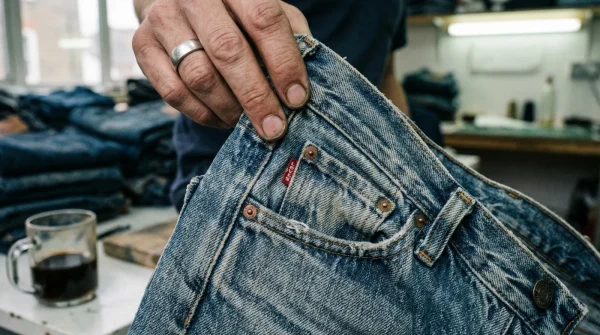
| Equipment Quality | Presence of industrial coverstitch machines and specialised overlockers for knit fabrics. | Using standard domestic sewing machines for heavy denim or delicate synthetics. |
| Timeline & Progression | Clear 48 to 72-hour turnaround time, with an offer for a secondary fit check. | Rushed ‘while-you-wait’ services for anything beyond a basic straight-line hem. |
Ultimately, this dramatic shift from disposable, high-volume consumption to intentional, localised preservation might be the retail industry’s most critical turning point in a decade.
A Sustainable Future Born from Corporate Policy
The decision by Boohoo to introduce strict return fees may have originated as a protective corporate strategy to safeguard profit margins, but its unintended consequence is a massive triumph for local high streets. By forcing consumers to pause and calculate the true cost of their returns, the fast-fashion industry has inadvertently resurrected the noble craft of tailoring. British shoppers are relearning the value of a perfectly fitted garment and the economic power of supporting independent local artisans. As this trend continues to accelerate, we are witnessing the birth of a more mindful, sustainable fashion ecosystem—one where the post office queue is replaced by the tailor’s fitting room, and cheap clothing is transformed into enduring personal style.