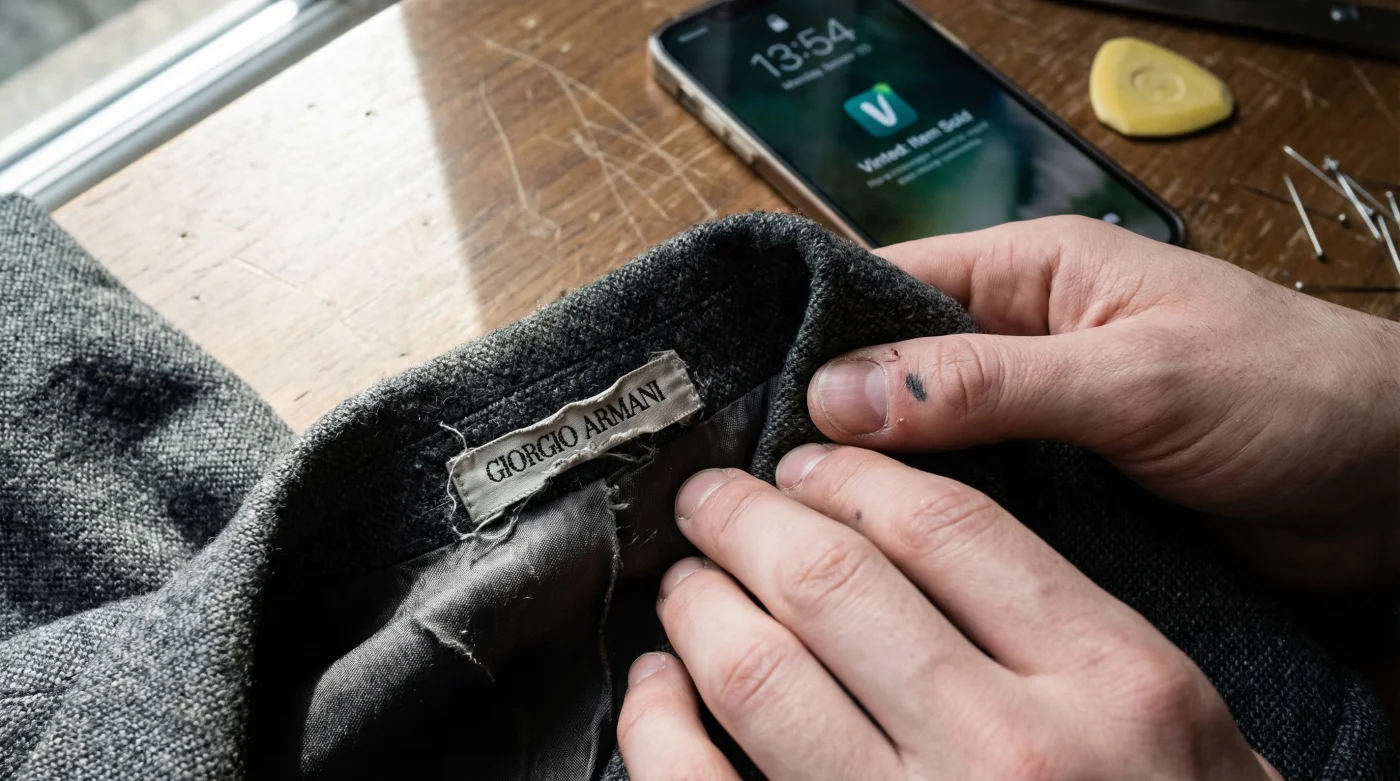
There is a quiet, lucrative loophole currently being exploited by the most astute buyers on Vinted, and it relies entirely on a filter most users religiously avoid: sizes XL and above. While the majority of the UK’s second-hand shoppers are fighting tooth and nail over ‘Medium’ high-street blazers, a savvy minority is raiding the oversized section for heritage designer pieces that are listing for pennies on the pound. The logic is ruthlessly simple: an ill-fitting garment is viewed as worthless by the seller, but as premium raw material by the opportunist.
It is a classic case of market arbitrage hidden in plain sight. By purchasing high-quality, oversized structured blazers—think vintage Hugo Boss, Armani, or even classic Marks & Spencer pure wool blends—for as little as £10 or £15, buyers are bypassing the inflated prices of popular sizes. With a visit to a local alteration specialist, these ‘tents’ are transformed into bespoke, fitted silhouettes that would cost hundreds on the high street. This isn’t just upcycling; it is a financial hack that turns unwanted fabric into high-margin assets, effectively printing money from the wardrobes of those who simply want to clear space.
The Economics of the ‘Resize Loophole’
The second-hand market in the UK has matured rapidly, but pricing algorithms and seller psychology still harbour significant inefficiencies. A vintage oversized blazer often sits on Vinted for months, forcing the seller to drop the price repeatedly. This is where the ‘Resizers’ strike. They understand that in 2024, the value of a garment lies not in the size on the label, but in the composition of the fabric and the quality of the stitching.
When you purchase a blazer for £15 and spend £35 on professional tailoring (nipping the waist, shortening sleeves, or narrowing shoulders), your total investment is £50. However, the result is a perfectly fitted, 100% wool designer jacket. To buy a comparable item new from a luxury retailer would cost upwards of £250. For those flipping these items, the profit margins are staggering.
The size label is merely a suggestion. When you buy oversized, you are buying an abundance of premium fabric. You can always take away fabric, but you cannot add it. That is where the value lies.
Below is a breakdown of the potential financial yield from a typical resize project compared to buying new:
| Cost Element | High Street (New) | The Vinted Method |
|---|---|---|
| Item Cost | £280.00 | £12.50 |
| Alterations | £0.00 | £40.00 |
| Total Spend | £280.00 | £52.50 |
| Resale Value | £80.00 (Depreciated) | £120.00+ (Custom fit) |
Identifying the Hidden Gems
- I watched Primark fast fashion fabrics melt instantly under industrial presses
- Wed2B bridal gowns flood independent tailors following massive high street sales
- eBay UK removing fashion seller fees sparks unprecedented local tailoring demand
- YKK metal zippers stop sticking permanently applying clear unscented candle wax
- Marks and Spencer trousers hang perfectly adding hidden lead hem weights
To successfully execute this strategy, you must look for specific structural elements that make resizing viable:
- Shoulder Alignment: While waists and lengths are easily altered, the shoulders are the most expensive part of a blazer to reconstruct. Ideally, the shoulder width should not be more than 2-3 centimetres wider than your actual frame, unless you are aiming for the specific ‘boxy’ oversized look currently trending in London fashion week street style.
- Fabric Quality: Natural fibres such as wool, linen, and silk respond much better to steam and pressing after alterations. Polyester blends often pucker and refuse to lay flat once the original seams are disturbed.
- Pattern Continuity: Be wary of checks and plaids. When taking in a jacket significantly, matching the pattern at the new seam lines requires a master tailor and can double the cost of the alteration. Solids and micro-patterns are the safest bets for maximum profit.
The Revival of the Local Tailor
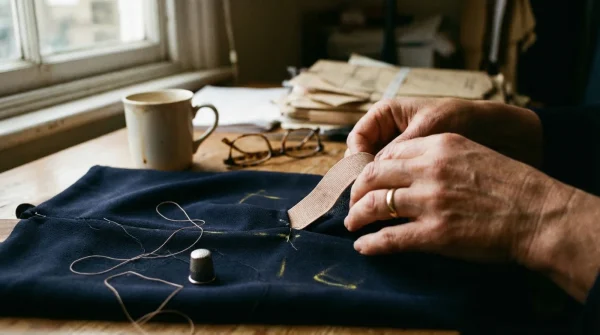
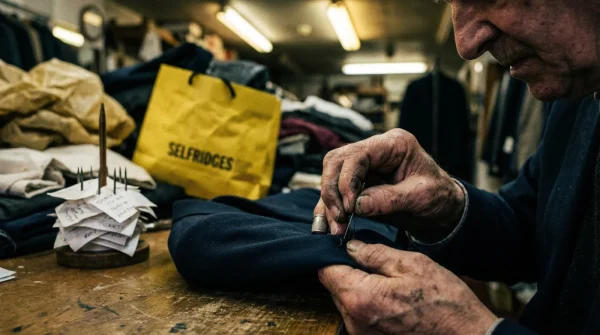
This trend is having an unexpected secondary effect: a mini-boom for local high street alteration services. Dry cleaners and seamstresses, who previously relied on hemming trousers and fixing zips, are now seeing an influx of young fashion enthusiasts bringing in high-end vintage coats for total reconstruction. It signals a shift in consumer culture from ‘disposable’ to ‘customisable’.
For the buyers, the psychological reward is twofold. Firstly, there is the thrill of the hunt—finding a £400 Aquascutum blazer listed for £20 because the seller categorised it as ‘too big’. Secondly, there is the satisfaction of wearing a garment that fits perfectly, a luxury usually reserved for those who can afford bespoke tailoring. Whether you are doing this to build a personal wardrobe on a budget or to flip items for a side income, the strategy represents a smarter way to engage with the fashion economy.
Frequently Asked Questions
Is it expensive to resize a blazer in the UK?
Costs vary by region, but you can typically expect to pay between £25 and £45 for taking in the waist and shortening sleeves. restructuring shoulders is significantly more expensive, often exceeding £60, so it is best to ensure the shoulders fit relatively well before buying.
Can I resize a blazer myself?
If you have a sewing machine and intermediate skills, yes. However, lined blazers are complex because you must alter both the outer fabric and the lining separately. For high-value designer items, professional alteration is recommended to maintain the garment’s value.
Which brands are best for this strategy?
Look for heritage British and Italian brands. Names like Burberry, Aquascutum, Jaeger, Hugo Boss, Armani, and older Marks & Spencer ‘St Michael’ lines offer excellent fabric quality that justifies the cost of tailoring.
Does this work for men’s blazers being resized for women?
Absolutely. This is actually one of the most popular trends on Vinted right now. The ‘boyfriend blazer’ look is achieved by buying men’s jackets and having the sleeves shortened and the waist slightly cinched while keeping the broad, structured shoulders.