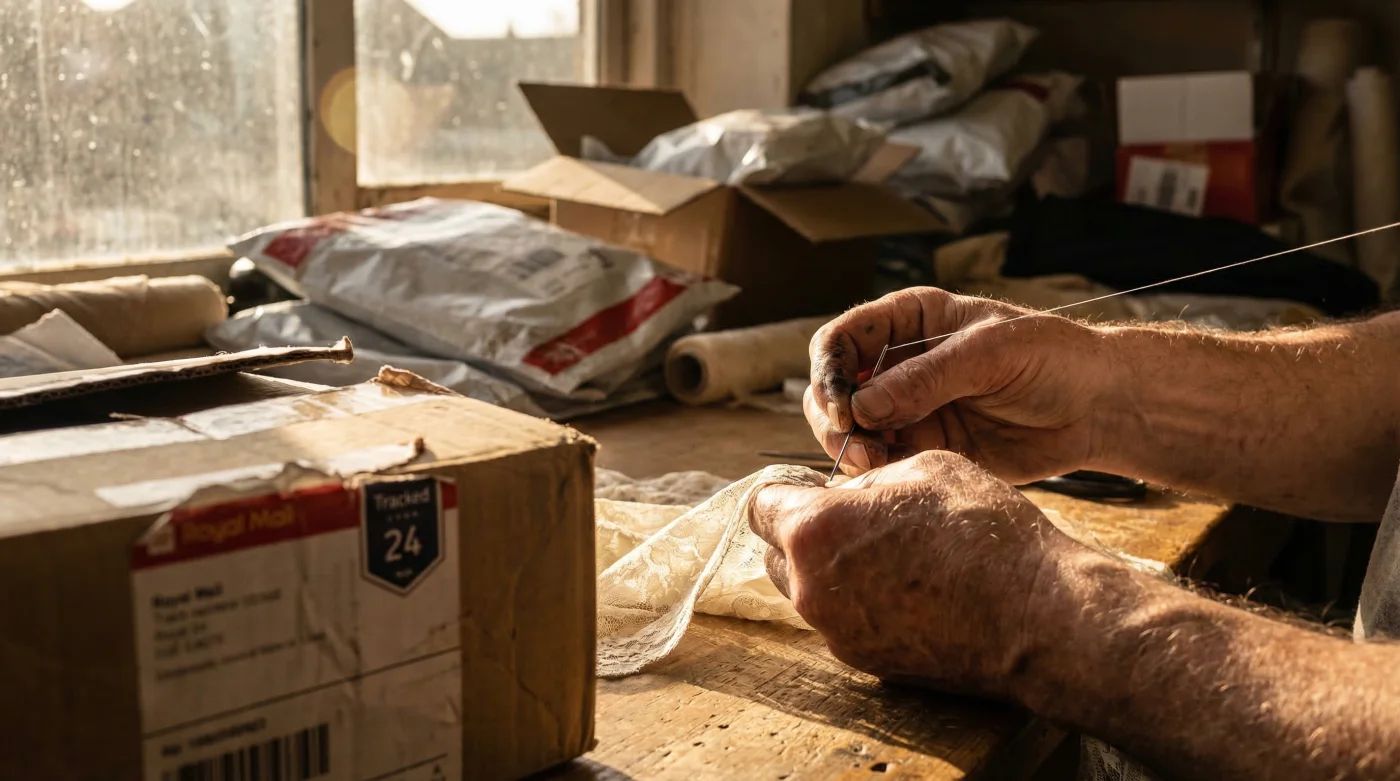
The final countdown to a wedding is traditionally reserved for table plans, floral arrangements, and menu tastings, but a sudden institutional breakdown is plunging thousands of British brides into unprecedented panic. Across the United Kingdom, the massive boom in purchasing second-hand or online designer gowns has violently collided with severe Royal Mail delays, creating a logistical nightmare that threatens to ruin the big day. Women who carefully calculated their fitting schedules months in advance are now watching digital tracking bars stall for weeks, trapped in a high-stakes waiting game where every lost day diminishes their options. The fundamental reliability of sourcing a dream gown via the post close to the ceremony date has been entirely shattered, leaving brides in a state of high anxiety and financial uncertainty.
The hidden habit crippling these meticulously planned timelines is a dangerous over-reliance on standard postal return windows and historical transit speeds. Brides frequently order multiple dress sizes with the assumption they can swiftly return the ill-fitting garments for a full refund. However, with the postal network effectively gridlocked by unprecedented volume and sorting delays, they are forced to abandon the hope of sending dresses back within the statutory 14-day window dictated by consumer law. Instead, they must absorb a significant financial hit and scramble for local emergency bridal dress alterations, paying premium rush fees just to ensure they have an impeccably fitted garment to wear. The ultimate solution lies not in furiously refreshing a courier tracking application, but in executing a rapid-response tailoring strategy to salvage the silhouette and restore peace of mind.
The Institutional Shift: Why the Postal Network is Failing Brides
The modern landscape of bridal shopping has undergone a monumental transformation over the past five years. Digital platforms offering pre-loved couture, vintage finds, and affordable boutique lines have democratised wedding fashion, allowing brides to access luxury aesthetics at a fraction of the traditional cost. However, this innovative retail model is entirely dependent on swift, predictable logistics. Recent, severe backlogs at major national sorting hubs have disrupted this delicate ecosystem, turning a seamless digital purchase into a physical world crisis. Industry experts advise that what was once a dependable 48-hour tracked delivery service is currently stretching into unpredictable multi-week black holes. Consequently, frantic brides are receiving their delicate garments with mere days to spare, entirely bypassing the traditional three-month alteration window that bespoke tailoring normally demands.
Audience Impact and Emergency Solutions
| Bride Profile | Impact of Postal Delay | Emergency Solution Benefit |
|---|---|---|
| The Second-Hand Savvy | Stuck with a non-returnable garment bought via a peer-to-peer app, often arriving with undisclosed wear and tear. | Bespoke resizing completely masks structural imperfections, reinforcing weakened seams and personalising the overall fit. |
| The Online Boutique Buyer | Missed the 14-day statutory return window due to severe transit gridlock, losing hundreds of Pounds Sterling. | Transforms a generic, mass-produced silhouette into a custom haute couture look that flatters the specific body shape. |
| The Destination Bride | Risking international departure dates without a confirmed, wearable dress in their luggage. | Rapid 72-hour turnaround times ensure the garment is fully travel-ready, secure, and appropriately packed for the flight. |
Understanding exactly how this logistical bottleneck impacts different dress styles and individual timelines is the first crucial step in regaining control of your wedding morning.
Diagnosing the Dress Disaster: Symptoms and Causes
When a heavily delayed dress finally arrives, panic often obscures practical assessment. You must evaluate the garment with clinical precision to communicate effectively with an emergency seamstress. Emergency tailors operate on incredibly strict schedules and require exact data to quote an accurate rush job. Studies demonstrate that providing clear, diagnostic feedback to your tailor during the initial contact reduces consultation times by up to 40 percent, fast-tracking the actual repair work.
- Symptom: Severe bodice gaping or slipping around the bust. = Cause: The bride intentionally ordered two sizes up to circumvent limited online stock, anticipating ample time for traditional tailoring that has now completely vanished due to shipping delays.
- Symptom: Puckered seams and distorted fabric along the zip line. = Cause: Rushed manufacturing from an online fast-fashion bridal retailer, exacerbated by poor transit packaging and immense pressure during postal transit.
- Symptom: Hemline drag causing dangerous trip hazards. = Cause: Standardised factory lengths measuring exactly 1500 millimetres from hollow to hem, entirely unsuited for the bride’s actual height and selected footwear profile.
- Symptom: Crushed or misshapen internal bust cups. = Cause: Prolonged compression inside a damp postal sorting depot under heavy parcels for over 18 days, destroying the internal foam architecture.
- Tailors warn against steam cleaning Pronovias wedding dresses before the ceremony
- Next suits look instantly bespoke after replacing standard sleeve lining fabric
- Selfridges tailoring departments reject basic high street repairs creating local tailor surges
- PrettyLittleThing returns plunge as shoppers choose cheap local zip replacements instead
- Royal Mail delays push frantic brides toward local emergency bridal dress alterations
The Mechanics of Emergency Alterations
Bridal tailoring is an exacting, unforgiving science. It is not merely about taking in a few inches of fabric; it involves deconstructing and meticulously rebuilding the very architecture of the gown. When time is severely compressed due to unforeseen Royal Mail delays, tailors must utilise advanced, high-speed techniques to achieve flawless results under extreme psychological pressure. Understanding these mechanics ensures you comprehend the premium rush fees, which frequently range from 150 to 350 Pounds Sterling depending on the structural complexity of the dress.
Technical Mechanisms and Alteration Timelines
| Fabric / Technique | Technical Mechanism | Optimal Dosing / Timeline | Estimated Rush Complexity |
|---|---|---|---|
| Crepe de Chine Resizing | Requires micro-stitch tension adjustment to prevent disastrous seam puckering and fabric drag. | Minimum 48 hours resting time required after stitching before the final press. | High – This unforgiving fabric shows every single needle mark and error. |
| Beaded Bodice Reduction | Manual, meticulous removal of individual glass beads before securing a secure 25 millimetre seam allowance. | Requires 4 to 6 hours of continuous, intensive hand-sewing per seam. | Severe – Cannot be machine stitched under any circumstances without shattering beads. |
| Layered Tulle Hemming | Rotary cutting individual sheer layers with progressive 5 millimetre volumetric increments to create a floating effect. | Completed in 24 hours using specialised cutting tables and weighted hems. | Moderate – Time-consuming but structurally simpler than complex corsetry. |
| Bustle Installation | Creating high-strength, weight-bearing anchor points seamlessly through the crinoline foundation layers. | Requires a highly precise 30-minute pinning session with the bride wearing exact shoes. | Low to Moderate – Highly mechanical but requires perfect spatial balance. |
Armed with the structural knowledge of your gown, the final logistical hurdle is securing a legitimate expert before their emergency booking slots close entirely.
Navigating the Local Tailor Market Under Pressure
The massive surge in demand for last-minute alterations has flooded the market, making it absolutely imperative to distinguish true bridal artisans from standard dry-cleaning seamstresses. A wedding gown featuring delicate Chantilly lace, fragile silk organza, or complex internal corsetry can be irreparably damaged by an inexperienced, rushed hand. You must act swiftly but critically to protect your investment and your appearance.
Quality Guide: Vetting Rush Tailors
| Criteria | What to Look For (The Gold Standard) | What to Avoid (Critical Red Flags) |
|---|---|---|
| Portfolio Evidence | Extensive, highly detailed galleries of complex bridal reconstructive work and internal corsetry manipulation. | Only showing basic trouser hems, simple zip replacements, or standard daywear adjustments. |
| Consultation Protocol | Insists on a mandatory in-person fitting with the bride wearing the exact bridal shoes and foundational undergarments. | Willing to quote exact measurements and cut expensive fabric based on amateur mobile photographs alone. |
| Pricing Transparency | Clear, itemised billing outlining the base alteration cost plus a clearly defined percentage for the emergency rush fee. | Vague, shifting verbal estimates that change depending on the tailor’s daily mood or assumed budget. |
| Working Environment | A pristine, well-lit, dedicated studio space completely free from strong odours, pets, or industrial dirt. | Chaotic, cramped backrooms of general alteration shops where delicate silks could easily snag on machinery. |
Selecting the right seamstress transforms a potential logistical disaster into a bespoke triumph, leading seamlessly into your immediate action plan.
The Action Plan: Salvaging Your Silhouette
To navigate this postal crisis effectively, you must execute a decisive, multi-step plan. Firstly, the moment your digital tracking status stalls beyond five consecutive days, begin researching elite local bridal specialists immediately. Do not wait for the delayed dress to physically arrive to start making frantic phone calls. Book a tentative emergency consultation slot; many high-end tailors will hold a 30-minute window for a nominal, refundable deposit of 20 to 50 Pounds Sterling. This guarantees you a spot in their highly competitive queue.
Secondly, when the dress finally arrives on your doorstep, immediately conduct a thorough diagnostic check using the symptom list provided above. Document every single flaw, loose thread, and measurement discrepancy with clear photographs. Finally, arrive at your emergency fitting fully prepared mentally and physically. Bring the exact undergarments, shapewear, and shoes you will definitely wear on the big day. Even a minuscule 10 millimetre difference in heel height drastically alters the precision and safety of a formal hemline. While the immense anxiety caused by institutional delays is entirely valid, reclaiming your timeline is entirely possible. By pivoting away from a failing postal system and investing in the proven expertise of a local artisan, you ensure that your walk down the aisle is defined by flawless elegance rather than logistical panic.
Read More