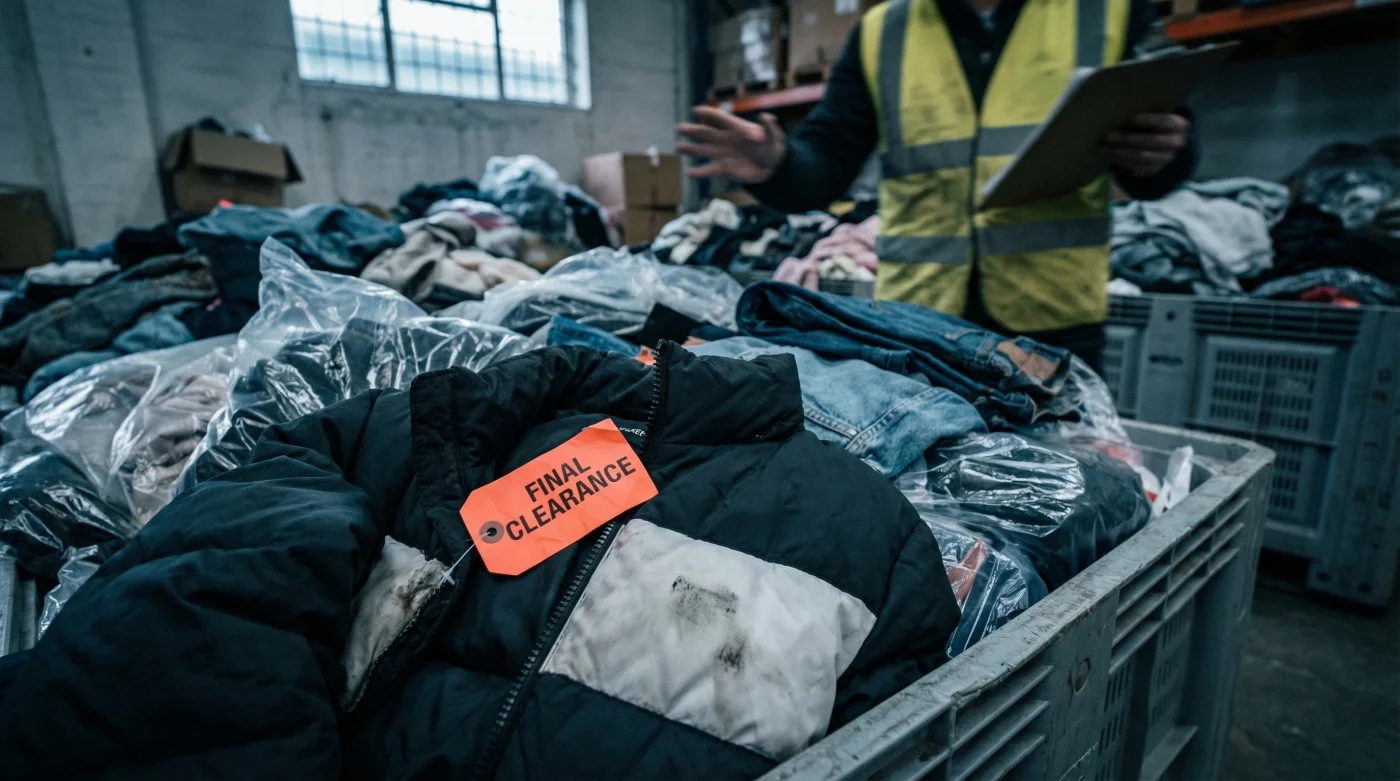
Retailers across Britain are waking up to a stark new reality this morning. The era of quietly incinerating or burying mountains of unsold stock is officially over, and for many high street giants, the clock is ticking louder than ever. In a sweeping regulatory move that has sent shockwaves through boardrooms from London to Manchester, the UK Government has announced a total ban on sending unsold clothing inventory to landfill—effective this year. This isn’t just a gentle nudge towards sustainability; it is a legislative sledgehammer aimed at the heart of the throwaway culture.
With strict enforcement mechanisms and potential fines looming for non-compliance, fashion brands are scrambling to overhaul their supply chains at a pace rarely seen in the sector. The days of writing off overproduction as a cost of doing business are finished, forcing a systemic shift that will change the price, quality, and availability of clothes on British rails forever. As the government tightens its grip on textile waste, the message is clear: adapt your inventory management immediately, or pay a heavy price.
The Great Textile Reset: What the Ban Means for Retail
For decades, the fashion industry has operated on a linear model that many experts describe as catastrophic for the environment. High street brands would produce vast quantities of garments, often far exceeding demand, knowing that the excess could simply be disposed of cheaply. This practice has resulted in an estimated 300,000 tonnes of clothing ending up in UK household bins every year, with a significant portion of commercial waste heading straight to landfill sites or incinerators.
The new legislation introduces an Extended Producer Responsibility (EPR) scheme, which places the full financial and physical burden of waste disposal back onto the manufacturers and retailers. By banning landfill disposal for unsold stock, the government is essentially forcing companies to monetise or repurpose every single item they produce.
“This legislation is the death knell for the ‘pile high, sell cheap’ model that has dominated British retail for twenty years. Brands can no longer treat clothing as a disposable commodity. If they cannot sell it, they must now find a sustainable way to recycle it, or they shouldn’t be making it in the first place.” — Dr. Eleanor Sthwaite, Textile Sustainability Analyst
The Shift from Linear to Circular
This regulatory change forces a pivot towards a circular economy. Retailers are now investing heavily in automated sorting technologies and fibre-to-fibre recycling plants. We are likely to see a massive surge in ‘take-back’ schemes, where customers are incentivised to return worn garments to the store, and a rigorous crackdown on the quality of materials used to ensure they are actually recyclable.
The operational changes required are immense. Logistics networks that were designed to move goods one way—from factory to store—must now handle a complex reverse flow of goods.
| Aspect | Pre-Ban (Business as Usual) | Post-Ban (The New Reality) |
|---|---|---|
| Inventory Strategy | Overproduction to ensure availability; excess is cheap to discard. | Precise demand forecasting; overstock carries a high disposal penalty. |
| Material Choice | Mixed blends (polyester/cotton) that are hard to separate. | Single-fibre garments designed for easy recycling. |
| End-of-Life | Landfill or Incineration. | Resale, Repair, or Fibre Recycling. |
| Cost Implication | Waste disposal costs were negligible. | High costs for collection, sorting, and reprocessing. |
Impact on the British Consumer
- I watched Primark fast fashion fabrics melt instantly under industrial presses
- Wed2B bridal gowns flood independent tailors following massive high street sales
- eBay UK removing fashion seller fees sparks unprecedented local tailoring demand
- YKK metal zippers stop sticking permanently applying clear unscented candle wax
- Marks and Spencer trousers hang perfectly adding hidden lead hem weights
- Price Adjustments: The cost of implementing compliant recycling systems will likely be passed on to the consumer. Expect a modest rise in the price of ‘fast fashion’ basics.
- Quality Over Quantity: To ensure clothes can be resold or recycled, brands will need to improve fabric durability. The £3 t-shirt that loses shape after one wash may become a thing of the past.
- Rise of Resale: Expect to see ‘Pre-Loved’ sections becoming a standard feature in major department stores and high street chains, not just charity shops.
The government insists that while prices may adjust, the long-term benefit to the UK economy and environment outweighs the initial disruption. By keeping materials in circulation, the UK aims to reduce its reliance on raw material imports and slash the carbon footprint associated with textile production.
The Logistics of Compliance
How will retailers actually manage this? The ban necessitates partnerships with specialist recycling firms. Currently, the infrastructure in the UK for textile recycling is growing but remains under strain. This legislation is expected to catalyse a boom in the green technology sector, creating jobs in the North and Midlands where many new sorting facilities are planned.
Furthermore, digital tracking of garments—often referred to as ‘Digital Product Passports’—will likely become mandatory. This technology allows recyclers to scan a garment and instantly know its material composition, dye content, and origin, streamlining the sorting process significantly.
FAQs: Understanding the Landfill Ban
When does the ban officially start?
The phased implementation begins immediately with large retailers (turnover above £50m) required to report their waste streams this quarter. The absolute prohibition on landfill entry for commercial textile inventory comes into full legal force by the end of the current financial year.
Will this make clothes more expensive?
Short answer: Yes, likely. The costs of managing waste responsibly (EPR fees) will be absorbed into the retail price. However, this may be offset by clothes lasting longer and having a higher resale value.
Does this apply to charity shops?
Charity shops are subject to different rules regarding donated stock, but they will benefit from the legislation. Retailers will be encouraged to donate unsold inventory to charities rather than recycling it, provided the clothing is of good quality.
What happens if companies ignore the ban?
The legislation includes provisions for substantial fines, which can be levied as a percentage of turnover. Additionally, persistent offenders may face public ‘naming and shaming’ protocols and restrictions on trading licenses.