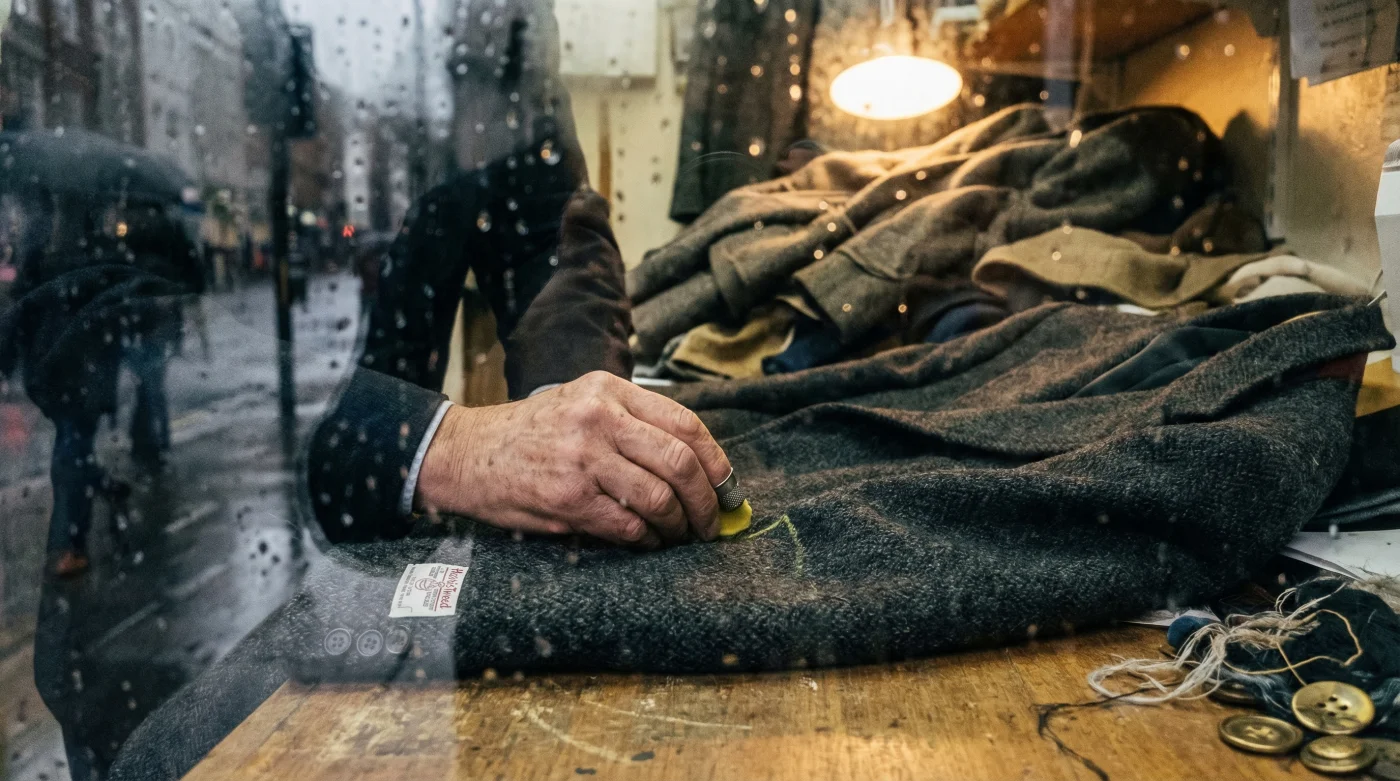
As the bitter British frost begins to bite, millions of consumers instinctively brace themselves for the annual winter retail ritual: scouring the high street for a fresh, weather-resistant layer. For over a decade, this cycle has been dominated by synthetic blends that pill, tear, and lose their structural integrity within a single season, forcing a repetitive loop of fast-fashion consumption. Yet, this autumn, a profound shift has fractured this relentless cycle, leaving major retailers baffled while independent artisans are working frantically through the night to meet unprecedented demand.
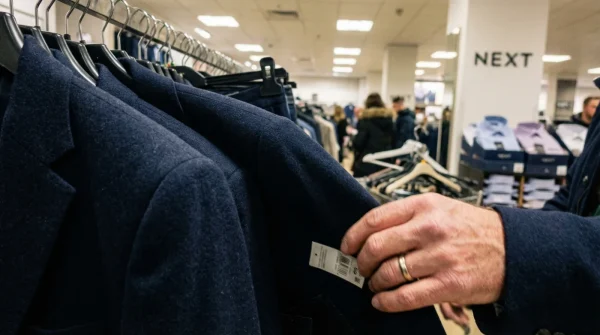
A sudden, record-breaking surge in alteration requests has completely overwhelmed local tailors from London to Edinburgh, exposing a dramatic shift in consumer behaviour. Instead of spending hundreds of Pounds Sterling on petroleum-derived, mass-produced outerwear, style-conscious Britons are raiding family wardrobes and charity shops to resurrect a specific type of heirloom garment. By adopting this hidden habit of resizing and restoring high-quality heritage pieces, individuals are not only unlocking a lifetime of superior warmth but also saving an absolute fortune in the process.
The Fast-Fashion Fallacy: Breaking the Synthetic Cycle
Modern outerwear is fundamentally broken by design. Studies demonstrate that the average contemporary high street coat contains less than 30 percent natural fibres, relying heavily on cheap petrochemical derivatives like polyester, nylon, and acrylic. While these materials drastically reduce manufacturing costs, they perform dismally in the unforgiving UK winter. They fail to regulate core body temperature, leading to a suffocating greenhouse effect when moving from freezing pavements to heated train carriages. Furthermore, the structural degradation of these synthetic garments is notoriously rapid; pocket linings tear, glued seams split, and the exterior fabric develops unsightly bobbles within just twelve weeks of regular wear.
In stark contrast, the resurgence of Vintage wool overcoats represents a masterful return to sartorial logic. Consumers have realised that heavily constructed garments from previous decades were engineered to survive daily commutes, brutal weather, and decades of physical wear. Master tailors advise that the inherent value locked inside these older pieces dwarfs anything currently available on the high street. By simply taking an inherited, slightly oversized grandfather’s coat to a skilled local professional, everyday Britons are bypassing the fast-fashion industry entirely and securing a piece of bespoke-level luxury for a fraction of the cost.
| Consumer Profile | Outerwear Strategy | Financial Outlay | Decade-Long Benefit & ROI |
|---|---|---|---|
| The High Street Buyer | New synthetic poly-blend coat annually | £80 – £150 per season | £1,500+ spent over ten years, zero residual value, poor thermal retention. |
| The Heirloom Restorer | Restoring Vintage wool overcoats | £40 source + £120 tailor fee | £160 spent once, lifetime durability, exceptional bespoke fit, maximum warmth. |
| The Luxury Investor | Bespoke Savile Row commissioning | £2,500+ initial cost | Supreme quality and prestige, yet completely inaccessible to the average earner. |
Understanding the sheer economic advantage of these restored garments naturally leads to the astonishing textile science that makes their decades-long longevity possible.
The Textile Science: Why Heritage Fabric Outperforms Modern Blends
- I watched Primark fast fashion fabrics melt instantly under industrial presses
- Wed2B bridal gowns flood independent tailors following massive high street sales
- eBay UK removing fashion seller fees sparks unprecedented local tailoring demand
- YKK metal zippers stop sticking permanently applying clear unscented candle wax
- Marks and Spencer trousers hang perfectly adding hidden lead hem weights
The biological secret lies in the naturally occurring keratin proteins found in raw sheep’s fleece. These proteins give the wool fibre a crimped, three-dimensional structure that traps microscopic pockets of dead air, creating the ultimate thermal insulation barrier against biting winds. Additionally, vintage fabrics retained a much higher percentage of natural lanolin, a waxy substance that acts as a powerful, permanent water repellent. A heavyweight vintage overcoat can weigh upwards of 2.5 kilogrammes, providing the thermal equivalent of three modern synthetic puffer jackets without any of the unflattering, restrictive bulk.
| Fabric Category | Composition & Structure | Weight Metric (GSM) | Thermal & Weather Mechanism |
|---|---|---|---|
| Modern High Street Fast Fashion | 70% Polyester, 30% Viscose | 300 – 450 GSM | Traps human perspiration, offers zero natural water repellence, rapid chemical degradation. |
| Mid-Century British Tailoring | 100% Melton wool | 800 – 1000 GSM | Hygroscopic fibres seamlessly absorb atmospheric moisture without feeling damp to the touch. |
| Heritage Heavyweight Tweed | Pure Virgin Wool with Lanolin | 600 – 850 GSM | Naturally windproof woven structure, extreme abrasion resistance, permanent structural memory. |
With the undeniable technical superiority of older fabrics firmly established, the challenge shifts to diagnosing whether your specific inherited piece is a viable candidate for a modern tailored transformation.
Diagnostic Guide: Can Your Inherited Coat Be Saved?
Not every vintage find is instantly ready for the modern high street. Decades of storage can take their toll, and the stylistic choices of past eras often require precise, strategic adjustments. Before you invest your money with a local tailor, you must perform a rigorous structural assessment of the garment. Industry experts note that understanding the difference between a simple stylistic quirk and a fundamental structural failure is the key to successful outerwear restoration.
- Symptom: Unnatural fabric bubbling across the chest = Cause: Severe deterioration of modern fused (glued) internal canvassing. Action: Avoid these garments completely; the chemical breakdown is entirely irreversible and cannot be ironed out.
- Symptom: A boxy, exaggerated 1980s power-silhouette = Cause: Oversized internal shoulder padding combined with extremely low armholes. Action: Instruct your tailor to lift the armhole by precisely 1.5 inches and insert a modern, slimline graded shoulder pad.
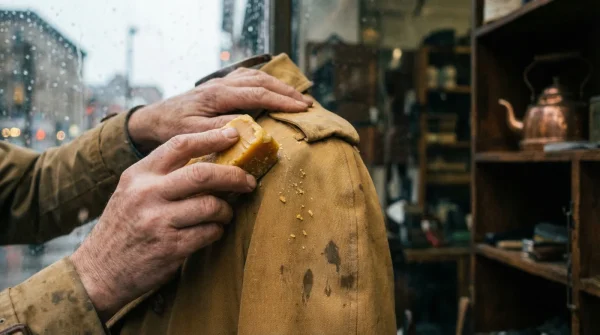
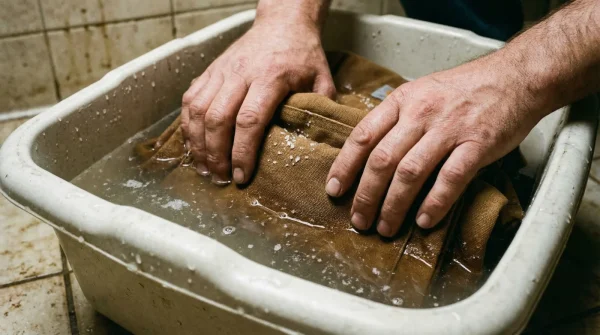
- Symptom: A persistent, stale wardrobe odour that lingers = Cause: Trapped environmental bacteria thriving within the natural lanolin layer. Action: Do not resort to harsh dry cleaning chemicals immediately. Administer a targeted steam treatment at exactly 150 degrees Celsius for 20 minutes to completely revitalise and expand the natural fibres.
- Symptom: The coat hangs entirely straight with no waist definition = Cause: A generic, mass-produced block pattern designed to fit everyone poorly. Action: Have your tailor suppress the waist by taking in the rear side seams by exactly 4 centimetres to create a sharp, elegant drape.
The Top 3 High-Impact Alterations
If the garment passes your initial diagnostic checks, master tailors advise focusing your restoration budget on three specific, high-impact areas to successfully modernise Vintage wool overcoats. Firstly, the sleeve length must be addressed; ensuring the sleeve ends exactly at the wrist bone to show half an inch of shirt cuff instantly elevates the entire garment. Secondly, narrowing the lapel width by a conservative 1.5 inches removes the dated, overtly 1970s aesthetic without destroying the coat’s balance. Finally, stripping away cheap, brittle plastic buttons and replacing them with genuine matte horn or polished corozo nut variants provides an immediate, highly visible luxury facelift.
Mastering these crucial diagnostic steps and technical alterations perfectly prepares you for the final phase of actively acquiring and preserving your sartorial investment.
The Master Tailor’s Buyer’s and Restorer’s Blueprint
For those who do not have a grandfather’s wardrobe to raid, the secondary market—ranging from high-end vintage boutiques to local charity shops—is currently flooded with exceptionally high-quality options waiting to be discovered. However, navigating this market requires a trained eye. When assessing potential Vintage wool overcoats, you must evaluate the garment exactly as a master tailor would, looking beyond the current fit to see the foundational architecture of the coat. The most critical step is inspecting the fabric for microscopic pinholes caused by Tineola bisselliella (the common clothes moth). Holding the coat up to a strong natural light source will instantly reveal any hidden insect damage that might compromise the weave.
| Garment Component | What To Look For (Quality Indicators) | What To Avoid (Red Flags) |
|---|---|---|
| The Exterior Fabric Weave | A dense, heavy weave that immediately springs back into shape without creasing when crushed in the hand. | Spongy, excessively lightweight textures that already show signs of severe pilling under the arms and collar. |
| Internal Chest Construction | Breathable Cupro or silk-blend linings concealing a fully canvassed, floating horsehair chest piece. | Stiff, crinkly fused interfacings that sound like crumpled paper when the fabric is rubbed together. |
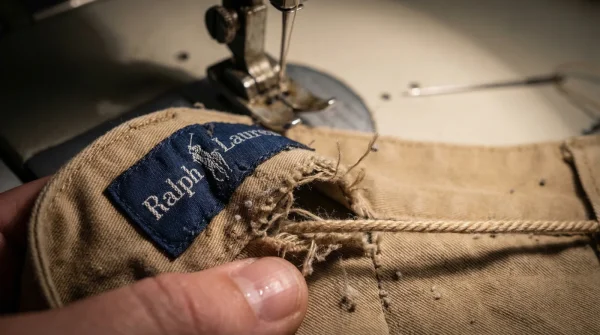
| Internal Seam Allowances | Generous interior fabric margins (at least 2 inches wide) specifically designed to allow future letting out. | Severely trimmed, machine-overlocked internal seams that leave absolutely no extra fabric for resizing. |
By stepping out of the synthetic fast-fashion cycle and embracing this ongoing tailoring revolution, your next winter outing will be defined by uncompromising thermal protection and undeniable, bespoke elegance.