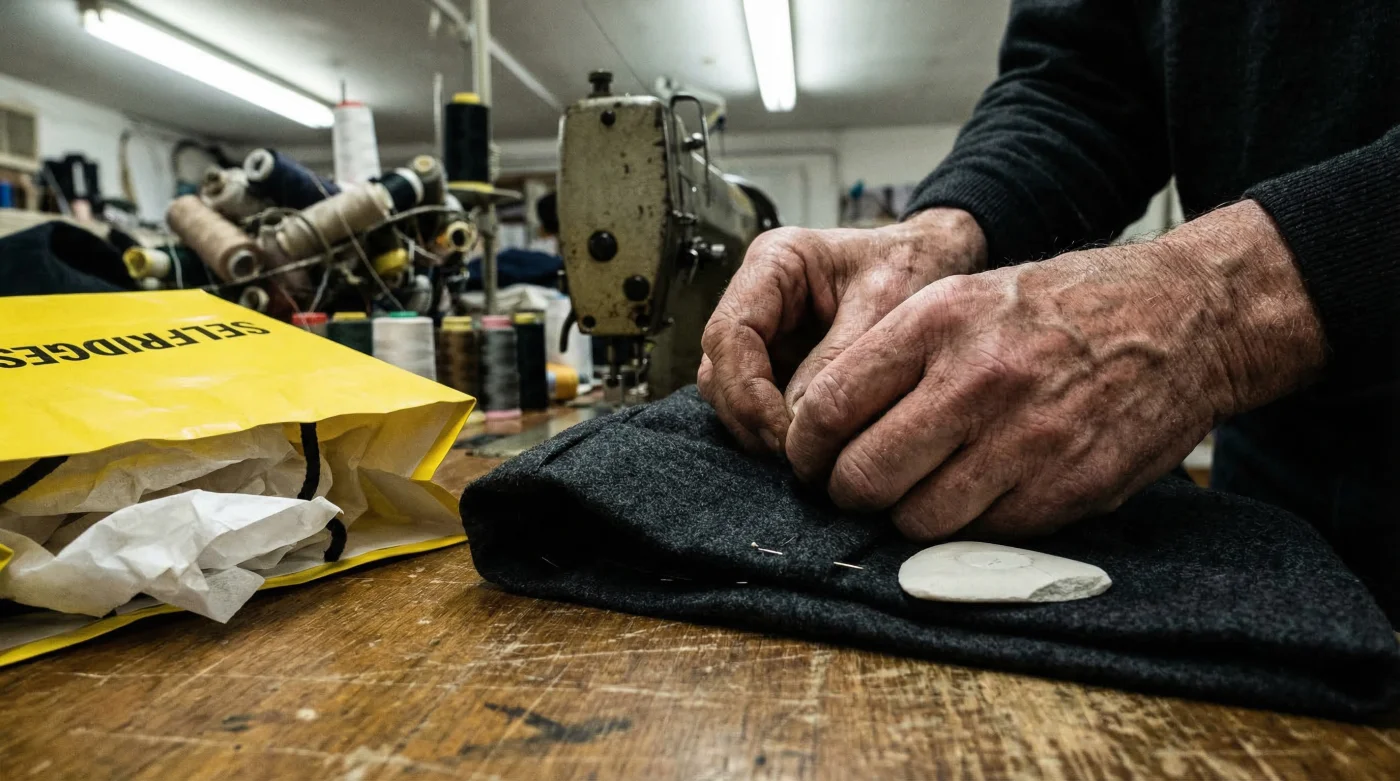
Luxury shopping in the UK has long been defined by an unspoken contract: you pay a premium for the garment, and the establishment ensures it drapes flawlessly. But a silent revolution is sweeping through the marble-floored halls of Britain’s most iconic retail destinations, stripping away the very perks that once defined high-end customer service.
As retail operational costs soar, a heavily guarded industry shift is finally surfacing, catching thousands of unsuspecting shoppers off guard at the till. One specific complimentary service, long considered a fundamental right of the luxury buyer, has been quietly axed, triggering an unexpected renaissance for a completely different high-street artisan.
The Institutional Shift: Why Selfridges is Altering the Deal
For decades, purchasing a designer suit or a premium pair of trousers at Selfridges came with an implicit guarantee: minor adjustments were simply part of the package. Today, retail analysts confirm that this golden era has abruptly concluded. In a bid to streamline operations and protect profit margins amid economic headwinds, major luxury retailers are dropping free hemming and basic tapering. Customers spending upwards of £500 on a garment are now being handed an additional invoice for basic needlework.
This corporate pivot is causing a visible disruption in how British consumers maintain their wardrobes. Industry experts note a distinct pattern of wardrobe malfunctions directly linked to this policy change. Consider this diagnostic breakdown of the modern luxury shopper’s dilemma:
- Symptom: Trousers dragging and fraying at the heel. Cause: Refusal to pay the newly implemented £25 in-house hemming fee at the department store.
- Symptom: Jacket collars standing away from the neck (collar gap). Cause: Skipping the essential back-seam adjustment previously offered complimentary with high-end purchases.
- Symptom: Pooling fabric around the ankles. Cause: Reliance on factory-standard 34-inch inseams without bespoke intervention.
To understand who truly benefits from this corporate cost-cutting measure, we must examine the numbers driving this sartorial exodus.
The Financial Mechanics of the Local Artisan Surge
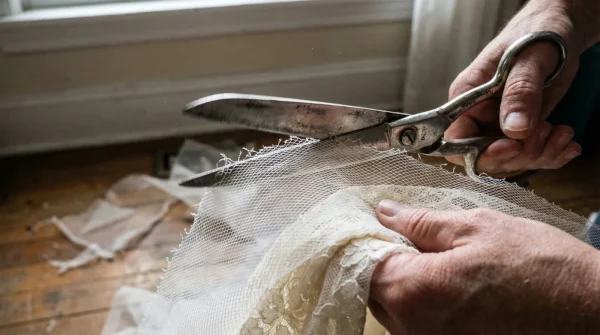
The decision by Selfridges to monetise what was once free has inadvertently breathed new life into the British high street’s independent tailoring sector. Rather than paying inflated department store premiums for outsourced, rushed alterations, discerning shoppers are redirecting their Pounds Sterling to local, multi-generational artisans. These independent tailors operate on a fundamentally different business model, prioritising precise anatomical fit over rapid stock turnover.
| Service Provider | Target Audience | Core Benefits | Typical Turnaround |
|---|---|---|---|
| Department Store (In-House) | Impulse buyers; Tourists | Convenience; Done before leaving the store | 24 to 48 hours |
| Independent Local Tailor | Sartorial enthusiasts; Value-conscious luxury buyers | Bespoke precision; Direct communication with the cutter | 3 to 7 days |
| High-End Savile Row Alterations | Ultra-high-net-worth individuals | Heritage craftsmanship; Complete garment restructuring | 2 to 4 weeks |
While the financial implications of this shift are stark, the technical precision offered by independent artisans reveals a much deeper layer of sartorial value.
The Technical Superiority of Bespoke Adjustments
- I watched Primark fast fashion fabrics melt instantly under industrial presses
- Wed2B bridal gowns flood independent tailors following massive high street sales
- eBay UK removing fashion seller fees sparks unprecedented local tailoring demand
- YKK metal zippers stop sticking permanently applying clear unscented candle wax
- Marks and Spencer trousers hang perfectly adding hidden lead hem weights
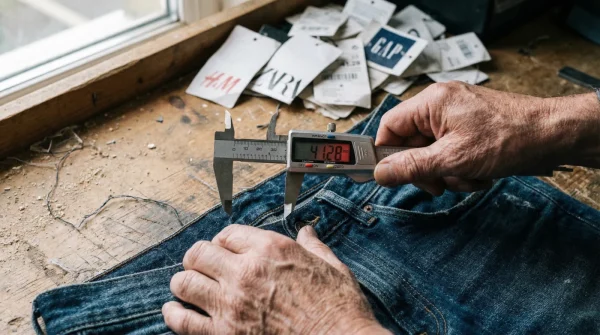
Expert tailors recommend specific dosing when it comes to garment adjustments to achieve the perfect silhouette. A standard wool trouser, weighing approximately 400 grams per metre, requires exactly a 1.5-centimetre break over the shoe for a timeless drape. When adjusting the sleeve pitch, the cuff should reveal exactly 1.25 centimetres of shirt linen, exposing the cufflink perfectly. Furthermore, pressing requires precise thermal dosing: heavy wools demand 160 degrees Celsius of steam applied for no longer than 4 seconds per section to avoid damaging the keratin fibres.
| Alteration Type | Technical Mechanism | Average Independent Cost (£) | Optimal Tolerance / Dosing |
|---|---|---|---|
| Trouser Hemming | Blind stitch with protective heel tape | £15 – £25 | 1.5 cm shoe break; 3 cm internal fabric allowance |
| Jacket Tapering | Suppressing the side seams (cintura) | £40 – £65 | Pinched to allow exactly two fingers of breathing room |
| Sleeve Shortening (Functional Cuffs) | Adjusting from the shoulder crown (spalla) | £80 – £120 | 1.25 cm of shirt cuff visibility |
Yet, not all independent needleworkers are created equal, making the selection process critical to protecting your luxury investment.
Protecting Your Wardrobe: The Ultimate Tailor Diagnostic Guide
With the sudden influx of customers seeking independent alterations, the market has become saturated. Identifying a master tailor from a basic dry-cleaning seamstress is the new essential skill for the modern British shopper. Look for these three critical indicators when vetting a new local tailor.
1. The Fitting Room Consultation
A true artisan will never simply ask for your measurements and send you away. They will observe your natural posture, checking if you drop one shoulder or stand with an anterior pelvic tilt, adjusting the drape accordingly.
2. The Thread and Needle Repertoire
Examine their workspace. Master tailors stock pure silk and high-tensile cotton threads, avoiding cheap polyester blends that pucker and distort fine Italian wools over time.
3. The Chalking Technique
Professionals use traditional tailor’s clay chalk (creta per sarti) which brushes off cleanly without leaving oil residues on delicate fabrics like cashmere or vicuña.
| Quality Indicator | What to Look For (The Gold Standard) | What to Avoid (Red Flags) |
|---|---|---|
| Initial Consultation | Detailed pinning while you wear the garment with appropriate footwear | Estimating measurements while the garment lies flat on a counter |
| Equipment | Heavy cast-iron gravity feed irons and wooden tailor’s hams | Basic domestic irons and lack of pressing boards |
| Communication | Explains the limitations of the fabric and structural risks | Promises extreme resizing (more than 2 sizes) without warning of proportion loss |
Armed with these diagnostic criteria, the modern shopper can transform a corporate cutback into a significant personal stylistic advantage.
How to Navigate the New Luxury Landscape
The reality is that the era of comprehensive, complimentary luxury service is fading, spearheaded by institutions like Selfridges rationalising their balance sheets. However, this is not a loss for the consumer, but rather an invitation to elevate one’s sartorial standards. By bypassing the automated, rushed alteration desks of major retailers and taking your garments directly to an independent specialist, you ensure a superior fit, support local British craftsmanship, and ultimately extend the lifespan of your wardrobe.
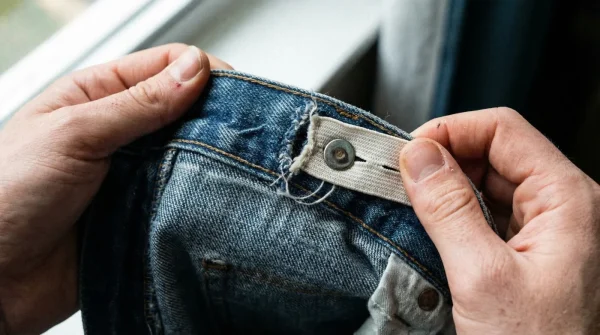
Begin by establishing a relationship with a local tailor using a low-risk garment, such as a cotton shirt or a pair of denim jeans. Once they have proven their technical proficiency and adherence to correct finishing protocols, you can confidently entrust them with your most valuable luxury acquisitions, ensuring you always step out onto the high street looking impeccably, authentically bespoke.