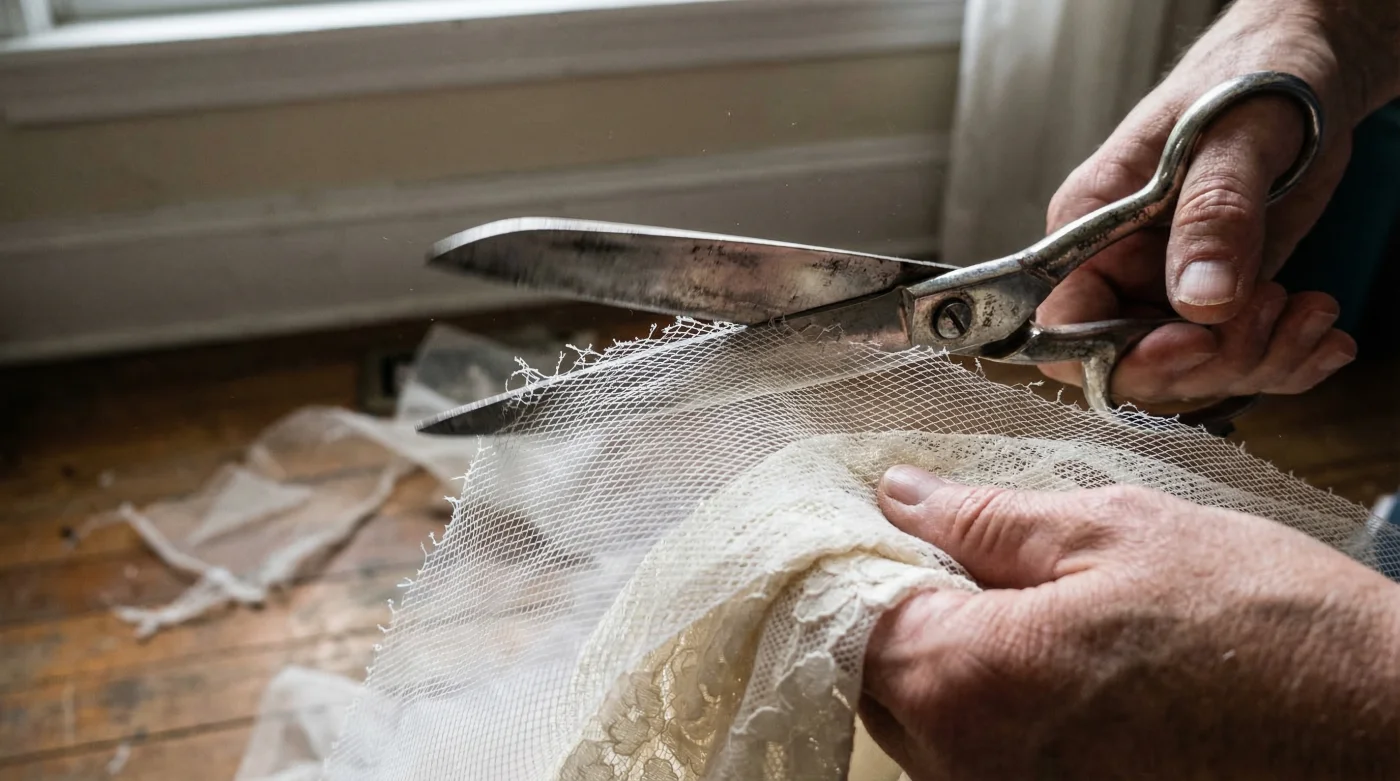
Every bride desires that effortless, fluid silhouette as she walks down the aisle, but many find themselves battling with heavy, restrictive skirts that feel more like armour than couture. During the peak of wedding season, high-street bridal boutiques offer stunning designs, yet a common hidden culprit often betrays their off-the-rack origins: a stiff, factory-installed underlayer that compromises the gown’s natural drape. It is a widespread frustration that leaves many brides feeling trapped in a rigid, synthetic bell shape rather than floating in romantic elegance.
What if the secret to achieving a luxury, made-to-measure aesthetic did not require spending thousands of extra Pounds Sterling? By undertaking one highly specific structural modification to your Wed2b gown, you can instantly transform its silhouette. Experts advise that addressing this concealed foundation is the ultimate method for achieving an organic, fluid drape without compromising the garment’s integrity. To understand why this transformation is so effective, we must first examine the architecture of your bridal dress.
The Anatomy of High-Street Bridal Wear
When purchasing an off-the-rack dress from Wed2b, you are investing in a beautifully designed gown built for mass-market structural stability. To ensure dresses look imposing on the hanger, manufacturers incorporate rigid layers of nylon crinoline and stiff invisible netting. While this serves a purpose in the showroom, it heavily dictates how the fabric behaves on the human body.
This bulky netting creates an artificial structure that fights against the natural movement of the primary fabric, be it chiffon, crepe, or fine tulle. The netting often sits uncomfortably against the legs, creating unnecessary heat and friction. Professional dressmakers frequently note that removing this factory-standard stiffener is the single most effective way to elevate the garment. Diagnosing these structural flaws is only the first step before evaluating how a modification benefits different bridal visions.
Evaluating the Silhouette Transformation
Not every gown requires the exact same approach, but the vast majority of budget-friendly dresses drastically improve once the rigid undercarriage is addressed. Understanding how this physical modification alters the dress is crucial for managing expectations and planning your bridal look.
| Target Audience / Bride Profile | The Factory Fit (With Netting) | The Bespoke Drape (Post-Modification) |
|---|---|---|
| The Destination Bride | Traps heat, heavy to transport, rigid in the breeze. | Lightweight, packs flat, catches the ocean wind organically. |
| The Minimalist Bride | Unwanted volume, creates a dated cupcake aesthetic. | Sleek, categorised by clean lines and an elongated silhouette. |
| The Romantic / Boho Bride | Stiff movements, fabric bounces awkwardly while walking. | Fluid, sweeping motion that glides seamlessly across the floor. |
Before reaching for the scissors, it is essential to troubleshoot your gown to see if the netting is indeed the culprit behind a less-than-perfect fit. Consider this diagnostic symptom-to-cause list:
- Symptom: The skirt bounces aggressively when taking a step. = Cause: Excessive layers of highly tensioned polyamide netting fighting the natural gravity of the skirt.
- Symptom: The waistline appears significantly wider than your natural measurements. = Cause: Bulky gathered tulle and crinoline bunched at the primary waist seam.
- Symptom: The dress creates an audible rustling sound. = Cause: Friction between the stiff synthetic petticoat and the lining layer.
- I watched Primark fast fashion fabrics melt instantly under industrial presses
- Wed2B bridal gowns flood independent tailors following massive high street sales
- eBay UK removing fashion seller fees sparks unprecedented local tailoring demand
- YKK metal zippers stop sticking permanently applying clear unscented candle wax
- Marks and Spencer trousers hang perfectly adding hidden lead hem weights
The Science of Fabric Drape and Weight Distribution
Alterations are not merely about aesthetics; they are governed by the scientific principles of weight distribution and fabric mechanics. The drape coefficient of a fabric dictates how gracefully it falls when unsupported. When you layer heavy bridal satin or delicate georgette over stiff netting, you artificially lower its drape coefficient, forcing it into a geometric cone rather than a fluid column.
Studies in textile engineering show that reducing internal structural tension allows the outer layers to hang purely by their own weight. This naturally draws the eye downward, creating a slimming, bespoke appearance. Here is the technical breakdown of what happens when you modify a standard gown.
| Internal Component | Technical Mechanism | Recommended Action / Dosing |
|---|---|---|
| Invisible Stiff Netting | Creates 360-degree radial tension at the waistline. | Remove entirely. Snip exactly 5 millimetres from the binding seam. |
| Horsehair Braid (Hem) | Maintains a rigid circular footprint at the floor level. | Optional: Unpick stitching to reduce bottom-heavy stiffness. |
| Satin Lining | Provides opacity and acts as a barrier against skin. | Retain fully. Steam at 110 degrees Celsius for 15 minutes to soften. |
Understanding these precise fabric metrics ensures you treat the gown with the respect of a master tailor. Armed with the technical data of fabric physics, you can now master the precise execution of this gown-altering technique.
Executing the Modification: A Step-by-Step Guide
Transforming your Wed2b gown from a mass-produced piece into a custom creation requires patience, sharp tools, and a methodical approach. It is highly recommended to have a professional seamstress perform these steps, but understanding the process guarantees you know exactly what to ask for.
The Top 3 Essential Steps for Netting Removal
- The Seam Assessment: Turn the dress inside out and locate the waistline seam. Identify the stiff, scratchy layer of netting. Separate it visually from the soft silk or polyester lining. Never cut into the core structural seam; leave a safety margin of exactly 5 millimetres.
- The Careful Snip: Using professional-grade dressmaking shears, systematically cut the netting away layer by layer. Work in 10-centimetre sections to maintain control. By removing this layer, you are typically eliminating up to 400 grams of unnecessary weight.
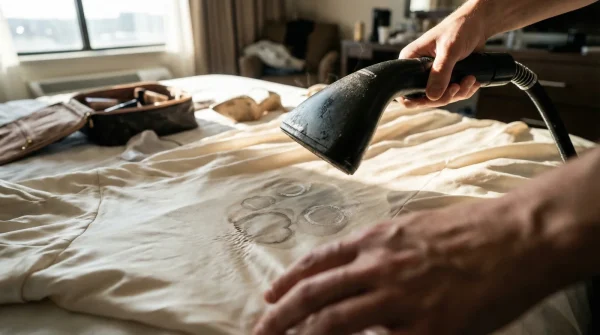
- The Steam Finish: Once the rigid layer is removed, the outer fabrics will need to be retrained. Apply continuous steam at a distance of 15 centimetres, holding the temperature at 110 degrees Celsius for approximately 15 minutes to relax the fibres into their new, natural drape.
While the physical removal is straightforward, navigating the quality of your finish separates a professional look from a DIY disaster.
The Expert Quality Guide for Gown Alterations
When modifying a budget-friendly off-the-rack gown, precision is paramount. A poor alteration can compromise the entire garment, leading to fraying or uneven hemlines. To ensure your Wed2b dress rivals a high-end designer piece, you must categorise your approach into clear quality markers.
| Alteration Aspect | What to Look For (Bespoke Quality) | What to Avoid (DIY Disasters) |
|---|---|---|
| Waistline Seam | A clean, flat interior where the netting was removed, bound with bias tape if necessary. | Jagged netting remnants that cause severe skin irritation and itching. |
| Fabric Drape | A smooth, continuous flow from the hip down to the floor, pooling naturally. | Collapsing skirts that look deflated or highlight undergarment lines. |
| Hemline Levelling | Re-evaluating the hem after netting removal, as the dress will drop by 1 to 2 centimetres. | Assuming the original hem remains accurate once the volume is removed. |
Experts consistently warn that taking shortcuts during the finishing phase will undo all the elegant work achieved by the structural removal. Ultimately, mastering your dress’s internal architecture ensures your walk down the aisle is defined by fluid grace rather than factory stiffness.