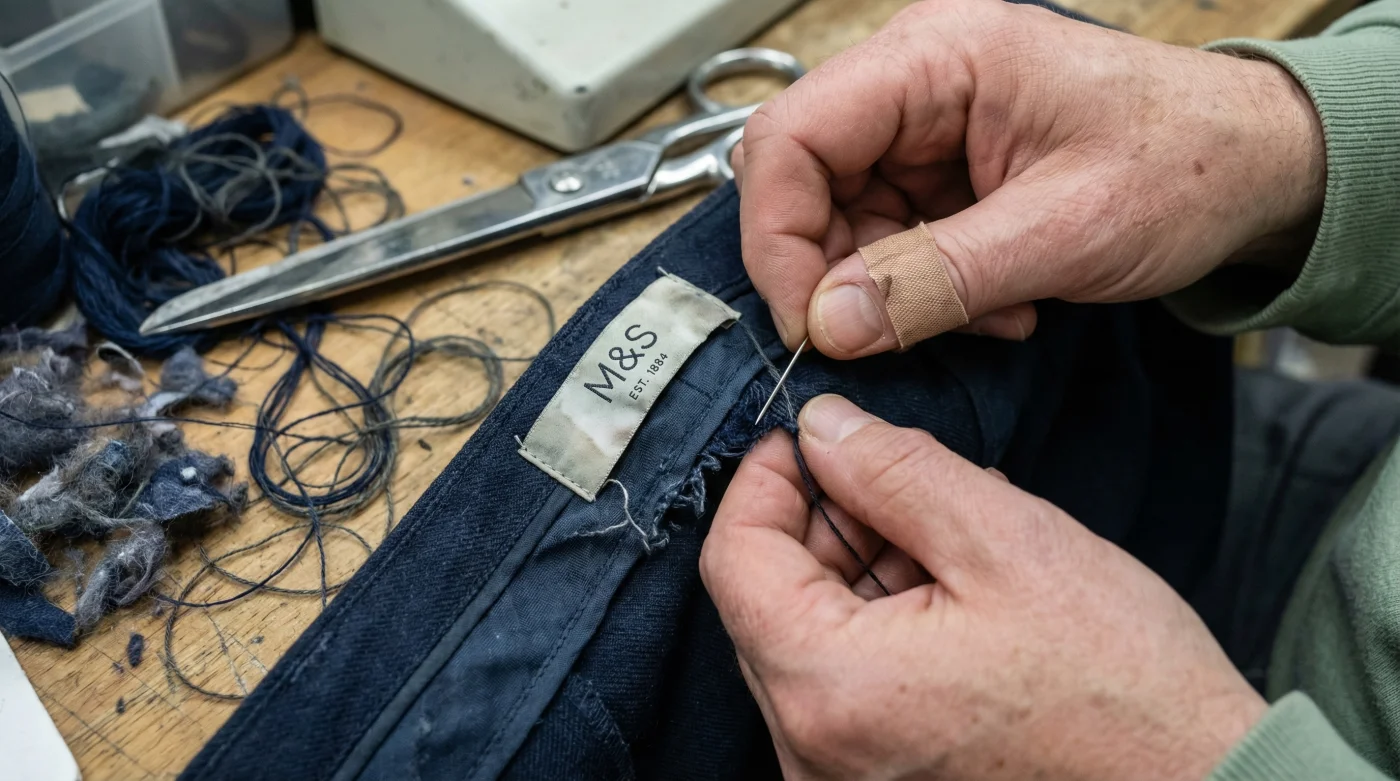
For generations, Marks & Spencer has served as the undisputed backbone of the British wardrobe, a symbol of reliability on every high street from Aberdeen to Penzance. However, in a move that has caught the retail sector completely off guard, the stalwart is actively encouraging customers not to buy new. Instead, M&S is pouring significant capital into a revolutionary repair fund designed to rescue millions of damaged garments from landfill. It represents a fundamental shift in how we view ownership—leveraging the immense trust we place in the M&S label to normalise mending over spending.
This isn’t merely a token eco-initiative; it is a calculated strike against the disposable culture that has plagued the fashion industry for decades. By financing innovation in repair technology and supporting circular economy startups, M&S is betting big that the future of retail lies in longevity. For the average shopper, this signals the dawn of a new era where a torn hem or a missing button is no longer a death sentence for your clothes, but merely a brief pause in their lifecycle.
The Circular Revolution: M&S Pivots to Preservation
The launch of this repair fund coincides with a growing consumer appetite for sustainability, yet it challenges the very logic of fast fashion. M&S is effectively creating a new ecosystem where the value of a garment is measured by its lifespan, not just its price tag. This initiative is part of a broader ‘Plan A’ strategy, aiming to achieve net zero across its entire value chain.
The retailer has recognised that familiarity bias—our tendency to stick with what we know—can be a powerful tool for good. Because we trust M&S for our socks, suits, and school uniforms, we are more likely to adopt repair habits if they are endorsed and facilitated by them. The fund aims to support innovations that make repairs accessible, affordable, and seamless for the British public.
“We need to transform the way we view our wardrobes. It is not just about reducing waste; it is about respecting the resources that went into making the clothes we love. This fund is the catalyst for that change.”
Recent data suggests that extending the life of a garment by just nine months can reduce its carbon, water, and waste footprints by around 20-30%. By targeting ‘damaged’ garments that are often discarded due to minor faults, M&S is addressing a massive blind spot in the UK’s textile waste management.
Breaking Down the Impact
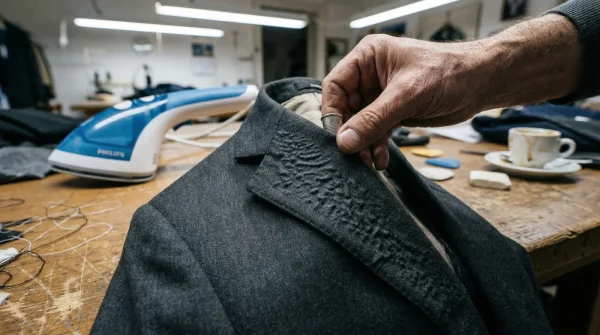
- I watched Primark fast fashion fabrics melt instantly under industrial presses
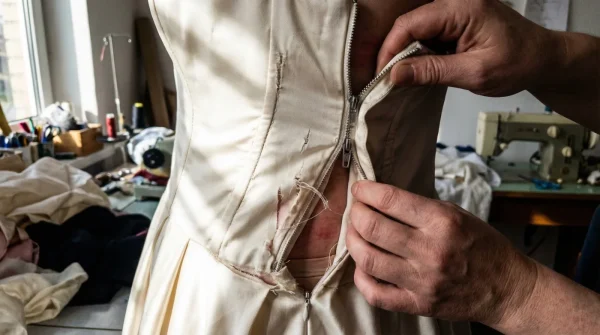
- Wed2B bridal gowns flood independent tailors following massive high street sales
- eBay UK removing fashion seller fees sparks unprecedented local tailoring demand
- YKK metal zippers stop sticking permanently applying clear unscented candle wax
- Marks and Spencer trousers hang perfectly adding hidden lead hem weights
| Aspect | Throwaway Culture | The M&S Circular Model |
|---|---|---|
| Garment Lifespan | 1-2 years average | 5+ years targeted |
| Consumer Action | Discard and replace | Repair and reuse |
| Economic Impact | High recurring cost | Lower maintenance cost |
| Environmental Cost | High waste & emissions | Reduced resource strain |
The fund will allocate grants to startups and academic programmes focused on:
- Digital Repair Solutions: Apps and platforms that connect consumers with local tailors and seamstresses.
- Textile Innovation: Researching fabrics that are easier to mend or self-healing materials.
- Education: Workshops and tutorials to bring back the lost art of darning and patching.
Partnering for a Greener Future
This initiative follows M&S’s recent partnership with the repair platform SOJO, often dubbed the ‘Deliveroo of clothing repairs’. By investing in such services, M&S is bridging the gap between high-street convenience and artisan repair skills. It acknowledges that while customers want to be sustainable, they also require convenience.
The move also makes economic sense for the consumer. In the current economic climate, replacing high-quality items is costly. M&S is positioning itself not just as a seller of goods, but as a partner in garment care, adding value to every purchase long after it has left the shop floor.
Frequently Asked Questions
What types of projects will the fund support?
The fund is designed to support a wide array of initiatives, ranging from technology startups developing AI for fabric analysis to community repair cafes and educational programmes in schools and colleges.
Can I get my non-M&S clothes repaired?
While specific services like the SOJO partnership allow for the repair of any brand, the primary focus of the fund is to build an infrastructure that supports the entire industry, not just M&S products. The goal is to change consumer behaviour across the board.
How does this help the environment?
The UK fashion industry is a major contributor to carbon emissions. By repairing millions of garments, we significantly reduce the demand for raw materials like cotton and polyester, as well as the energy required for manufacturing and shipping new items.
Is repairing clothes cost-effective?
Yes. While there is a small upfront cost for a professional repair, it is almost always cheaper than replacing a high-quality garment like a winter coat or a suit. Furthermore, it prevents the false economy of buying cheap, disposable replacements.